
In This Article
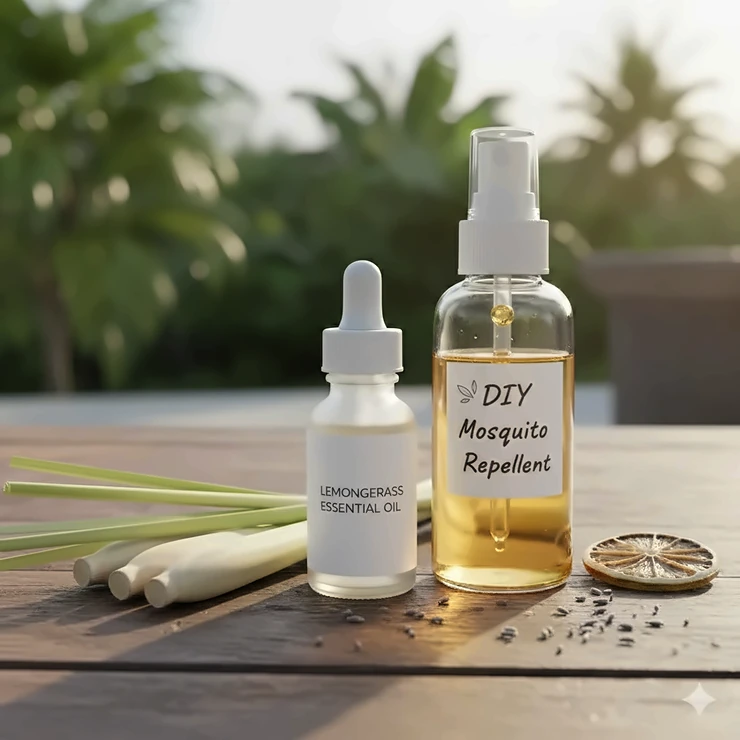
Picture this: you’re enjoying a peaceful evening on your patio when those familiar buzzing sounds start circling around your head. Before you reach for harsh chemical sprays, what if I told you there’s a natural solution that’s been used for centuries and backed by modern science?
Lemongrass essential oil for mosquitoes has emerged as one of nature’s most powerful defenses against these persistent pests. Unlike synthetic repellents that can irritate sensitive skin or leave that sticky chemical residue we all hate, lemongrass oil offers a fresh, citrusy alternative that actually works. Scientific studies show that lemongrass oil formulations can provide over 50% repellency for 2-3 hours, making it comparable to many commercial mosquito repellents.
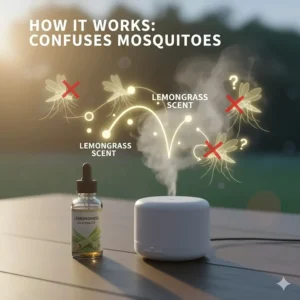
The secret? Citral—a naturally occurring compound in lemongrass that mosquitoes absolutely detest. This aromatic compound masks the carbon dioxide and lactic acid our bodies emit, essentially making you invisible to mosquito sensors. Whether you’re hiking through the woods, gardening in your backyard, or camping under the stars, understanding how to use lemongrass essential oil for mosquitoes can transform your outdoor experiences from itchy nightmares into pleasant memories.
Quick Comparison Table
| Product | Type | Size | Key Feature | Price Range | Rating |
|---|---|---|---|---|---|
| Wondercide Lemongrass Spray | Ready-to-Use Spray | 4 oz (2-pack) | 1.5% lemongrass oil, safe for kids & pets | $15-20 | ⭐⭐⭐⭐⭐ |
| Medella Naturals Repellent | Natural Spray | 2 oz (3-pack) | Study-backed 90% repellency, vanilla scent | $17-21 | ⭐⭐⭐⭐½ |
| Lemongrass Farms Trek | Essential Oil Blend | 8 oz (twin pack) | 0.75% lemongrass + peppermint & cedarwood | $19-25 | ⭐⭐⭐⭐½ |
| Plant Therapy Organic | Pure Essential Oil | 10 ml | USDA Organic, therapeutic grade | $8-12 | ⭐⭐⭐⭐⭐ |
| doTERRA Lemongrass | Pure Essential Oil | 15 ml | CPTG certified, 75% citral content | $14-18 | ⭐⭐⭐⭐½ |
| NOW Essential Oils 3-Pack | Essential Oil Trio | 1 oz each | Includes citronella & grapefruit | $19-24 | ⭐⭐⭐⭐ |
| Plant Therapy Standard | Pure Essential Oil | 30 ml | Budget-friendly, GC-MS tested | $11-15 | ⭐⭐⭐⭐½ |
💬 Just one click – help others make better buying decisions too! 😊
✨ Don’t Miss These Exclusive Deals!
🔍 Take your mosquito defense to the next level with these carefully selected products. Click on any highlighted item to check current pricing and availability. These natural repellents will help you create authentic outdoor experiences your family will love!
Top 7 Lemongrass Essential Oil for Mosquitoes: Expert Analysis
1. Wondercide Natural Mosquito Repellent (Lemongrass)
When it comes to ready-to-use convenience, Wondercide stands out as a family favorite that doesn’t compromise on effectiveness. This plant-powered formula contains 1.5% lemongrass oil combined with 4.2% cedar oil and sesame oil for enhanced protection.
Key Specifications:
- Active ingredients: Cedar oil, lemongrass oil, sesame oil
- Size: 4 oz bottles (2-pack available)
- Safe for ages: All ages including infants when used as directed
What makes this product exceptional? The formula has been proven to repel 98% of mosquitoes while remaining gentle enough for the whole family. Customers rave about its pleasant scent—no overpowering chemical smell here. One reviewer mentioned using it during a camping trip in Florida and not getting a single bite all weekend.
The spray nozzle delivers a fine mist that absorbs quickly without leaving that dreaded sticky residue. Parents appreciate that they can spray it directly on their kids’ clothes and exposed skin without worry.
✅ Pros:
- Ready to use right out of the bottle
- Safe for babies, kids, and pets
- Pleasant natural scent without artificial fragrances
❌ Cons:
- Requires reapplication every 2-3 hours
- Slightly higher price point than DIY options
Price: $15-20 for 2-pack | Best for: Families seeking convenience and safety
2. Medella Naturals Mosquito Repellent
If you want science-backed effectiveness with a delightful aroma, Medella Naturals delivers impressive results. This DEET-free formulation uses lemongrass essential oil as its primary active ingredient, enhanced with a hint of vanilla for a pleasant fragrance profile.
Key Specifications:
- Primary ingredient: Lemongrass essential oil
- Available sizes: 2 oz, 4 oz, 8 oz
- Protection duration: Up to 5.5 hours against gnats and black flies
Here’s what sets Medella apart: actual university testing. The University of Georgia’s Black Fly Rearing and Bioassay Laboratory found their formula repelled 90% of black flies and gnats for over five hours. That’s real data, not just marketing hype.
The lemongrass-vanilla scent combination is genius—it smells good enough that you’ll forget you’re wearing bug spray. Users report that unlike other natural repellents that smell medicinal, this one actually gets compliments. The non-flammable, grass-safe formula means you can spray it near your outdoor furniture and landscaping without concerns.
✅ Pros:
- University study-backed effectiveness
- Pleasant lemongrass-vanilla scent
- Multiple size options for different needs
❌ Cons:
- May need more frequent application in heavily infested areas
- Slightly oily texture on initial application
Price: $17-21 (3-pack of 2 oz) | Best for: Outdoor enthusiasts seeking proven protection
3. Lemongrass Farms Trek All Natural Insect Repellent
For those who appreciate a well-crafted essential oil blend, Lemongrass Farms Trek brings together nature’s finest mosquito-fighting botanicals. This family-owned Georgia business combines 0.75% lemongrass oil with peppermint, cedarwood, and geranium oils for comprehensive pest protection.
Key Specifications:
- Active ingredients: Lemongrass (0.75%), cedarwood (0.75%), peppermint (0.75%), geranium (1.30%)
- Size: 8 oz per can, twin pack available
- Formula: 100% bio-based with plant moisturizers
The continuous spray mechanism sets this product apart—no more trigger finger fatigue during application. The blend approach is smart: while lemongrass handles mosquitoes, cedarwood adds longer-lasting protection, and peppermint provides that cooling sensation perfect for hot summer days.
Customers appreciate the anti-inflammatory properties from the geranium and cedarwood, which help soothe skin that’s already been bitten. One outdoorsman shared how this became his go-to for fishing trips, noting that the pleasant aroma didn’t spook fish like synthetic repellents often do.
✅ Pros:
- Synergistic blend of four essential oils
- Continuous spray for easy application
- Soothing properties for sensitive skin
❌ Cons:
- Lower individual oil concentrations
- Twin pack only (no single bottle option)
Price: $19-25 | Best for: Outdoor workers and fishing enthusiasts
4. Plant Therapy Organic Lemongrass Essential Oil
When you want pure, unadulterated quality, Plant Therapy Organic Lemongrass Essential Oil represents the gold standard in organic essential oils. This USDA Certified Organic oil gives you complete control over dilution and application methods.
Key Specifications:
- Botanical name: Cymbopogon flexuosus (100% pure)
- Sizes: 10 ml, 30 ml, 100 ml
- Certification: USDA Organic, GC-MS tested
What makes Plant Therapy special is their commitment to transparency. Every batch comes with batch-specific GC-MS reports—that’s gas chromatography and mass spectrometry testing that verifies purity and composition. You know exactly what you’re getting, down to the molecular level.
The crisp, lemony, tea-like scent is incredibly fresh and uplifting. Users love that they can create custom blends for different purposes: dilute it for topical application, diffuse it to keep mosquitoes away from patios, or mix it with carrier oils for a personalized repellent spray. The aldehydes in lemongrass essential oil make it useful for naturally repelling insects when diffused or applied topically.
For DIY enthusiasts, this is your canvas. Mix 10-15 drops with a carrier oil like coconut or jojoba, add some witch hazel, and you’ve got a custom mosquito spray that rivals commercial products at a fraction of the cost.
✅ Pros:
- USDA Organic certification
- Multiple size options for different needs
- Complete customization for DIY formulations
❌ Cons:
- Requires dilution (cannot use undiluted on skin)
- Maximum 0.7% dilution recommended for topical use
Price: $8-12 (10 ml) | Best for: DIY enthusiasts and aromatherapy practitioners
5. doTERRA Lemongrass Essential Oil
For those seeking premium quality with rigorous testing protocols, doTERRA Lemongrass Essential Oil delivers CPTG (Certified Pure Tested Grade) assurance. This 15 ml bottle contains oil with approximately 75% citral content—the compound that gives lemongrass its mosquito-repelling power.
Key Specifications:
- Testing standard: CPTG Certified Pure Tested Grade
- Size: 15 ml bottle
- Citral content: Approximately 75%
doTERRA’s sourcing story is fascinating. Their lemongrass comes from Indian farmers who hike five miles up steep mountains to harvest 100-acre plantations by hand using sickles. The higher rainfall in these mountainous regions creates higher citral content, making the oil more potent for insect repellent use. Greater rainfall creates higher citral content in lemongrass, making it superior for essential oil use.
The pungent, smoky aroma is more herbaceous than other brands, which some users prefer for its authentic character. The oil can be used aromatically in diffusers to keep outdoor spaces mosquito-free, or diluted for topical application. Many customers report that just a few drops in a carrier oil provides hours of protection.
Beyond mosquito repellency, users appreciate the multipurpose nature—it’s also excellent for post-workout massages and adding to skincare routines for purifying benefits.
✅ Pros:
- High citral content (75%)
- Rigorous CPTG testing standards
- Sourced from optimal growing regions
❌ Cons:
- Higher price point
- Strong herbaceous scent not preferred by everyone
Price: $14-18 (15 ml) | Best for: Quality-conscious consumers seeking multipurpose use

6. NOW Essential Oils 3-Pack Variety (Citronella, Lemongrass, Grapefruit)
Talk about value—the NOW Essential Oils 3-Pack gives you three complementary mosquito-fighting oils in one purchase. This combination is brilliant: lemongrass for primary repellency, citronella for extended protection, and grapefruit for that fresh, uplifting scent that makes outdoor time more enjoyable.
Key Specifications:
- Pack includes: Citronella (1 oz), Lemongrass (1 oz), Grapefruit (1 oz)
- Each oil: 100% pure, steam-distilled
- Combined citral content: Approximately 75% in lemongrass
The genius of this pack is versatility. Use them individually, or create synergistic blends that amplify mosquito protection. Customers report mixing all three with a carrier oil for a fresh-smelling summer spray that works beautifully for backyard gatherings.
One reviewer shared her winning recipe: 10 drops lemongrass, 8 drops citronella, 5 drops grapefruit in 2 oz of witch hazel and water. She sprays it around her patio before evening cocktails and hasn’t had mosquito problems since. The grapefruit adds that zingy, energizing quality that makes the blend smell like a spa treatment rather than bug spray.
The 1 oz bottles are perfect for testing and experimentation without committing to large quantities. Plus, you can use these oils beyond mosquito repellency—diffuse them for aromatherapy, add to cleaning solutions, or incorporate into homemade skincare products.
✅ Pros:
- Three complementary oils in one purchase
- Excellent value for money
- Perfect for creating custom blends
❌ Cons:
- Smaller bottles (1 oz each)
- All require dilution before topical use
Price: $19-24 | Best for: Beginners exploring essential oil mosquito repellents
7. Plant Therapy Lemongrass Essential Oil (Standard)
Rounding out our list, the non-organic Plant Therapy Lemongrass Essential Oil offers the same quality and testing standards as their organic line but at a more accessible price point. This is perfect for those who want therapeutic-grade oil without the organic price premium.
Key Specifications:
- Purity: 100% pure Cymbopogon flexuosus
- Available sizes: 10 ml, 30 ml, 100 ml
- Testing: Batch-specific GC-MS reports included
Don’t let the “non-organic” label fool you—this oil still undergoes multiple rounds of organoleptic testing and GC-MS analysis by third-party laboratories. It’s pure, undiluted, and therapeutic grade, meeting all international standards for quality essential oils.
The crisp, lemony aroma is slightly more intense than the organic version, which some users actually prefer for repellent applications. The larger 100 ml size is particularly popular with families who go through oil quickly during summer months. At this volume, the cost-per-ounce drops significantly, making it economical for regular outdoor protection.
Plant Therapy’s customer service deserves mention too—they have certified aromatherapists on staff who can answer questions about safe dilution rates, application methods, and blend suggestions. That educational support is invaluable for those new to essential oil use.
✅ Pros:
- Budget-friendly without sacrificing quality
- Large size options available (100 ml)
- Access to certified aromatherapist support
❌ Cons:
- Not certified organic
- Strong scent may require adjustment period
Price: $11-15 (30 ml) | Best for: Budget-conscious families and regular users
Understanding Lemongrass Essential Oil: The Science Behind Mosquito Repellency
Let’s dive into what makes lemongrass essential oil for mosquitoes such an effective natural repellent. Understanding the science helps you use these products more effectively and appreciate why this ancient remedy has stood the test of time.
What Makes Lemongrass Oil Effective?
Lemongrass oil comes from the Cymbopogon citratus plant, a tall perennial grass native to tropical regions of Asia. The oil is steam-distilled from the leaves and contains a powerful cocktail of compounds that mosquitoes find absolutely repulsive.
The star player is citral, which typically comprises 65-80% of lemongrass essential oil. Geranial (α-citral) and neral (β-citral) are the two main active components of lemongrass oil, along with smaller amounts of geraniol and citronellol. These compounds work together in what scientists call a synergistic effect—they’re more powerful together than individually.
How does it work? Mosquitoes locate humans by detecting carbon dioxide from our breath and lactic acid from our skin. Lemongrass oil essentially jams these sensors, masking the chemical signals that attract mosquitoes in the first place. It’s like putting on an invisibility cloak that makes you undetectable to their radar system.
Scientific Evidence and Studies
You might be wondering: does this actually work, or is it just wishful thinking? The science is compelling. Research using Aedes aegypti mosquitoes showed that lemongrass oil formulations provided greater than 50% repellency for 2-3 hours, with the effectiveness attributed primarily to the high citral content.
A PubMed study on mosquito repellent formulations tested various concentrations and found that even a 1% solution in liquid paraffin showed significant repellency. Higher concentrations in cream and ointment forms (15% v/w) performed comparably to commercial synthetic repellents.
More recent research has explored the mechanisms at the molecular level. Studies using electroantennogram recordings demonstrate that lemongrass oil activates olfactory receptor cells in mosquito antennae, triggering avoidance behaviors. This isn’t just masking—it’s actively repelling the insects at a neurological level.
Benefits of Using Lemongrass Essential Oil Over Chemical Repellents
Making the switch to natural mosquito protection isn’t just about feeling good about what you’re putting on your skin—though that’s certainly part of it. There are tangible advantages that make lemongrass essential oil for mosquitoes a smart choice for many people.
🌿 Natural and Chemical-Free Protection
DEET (N,N-Diethyl-meta-toluamide) has been the gold standard for mosquito repellents since the 1940s, but it comes with concerns. While generally considered safe when used as directed, DEET can cause skin irritation, eye irritation, and in rare cases, more serious reactions. It can also damage certain plastics and synthetic fabrics—ever noticed how it melts your sunglasses?
Lemongrass oil offers a plant-based alternative that’s been used safely for centuries. No synthetic chemicals, no mysterious ingredients you can’t pronounce. Just pure botanical protection that works with your body’s chemistry rather than against it.
👨👩👧👦 Safe for All Ages
One of the biggest advantages? Kid and pet safety. Many commercial repellents come with age restrictions—”not for children under 3 years” or “keep away from pets.” Lemongrass-based products (when properly diluted) can be used on children as young as infants, making family outings stress-free.
Parents love that they don’t have to worry about kids touching treated skin and then putting fingers in their mouths. The worst that happens with lemongrass oil? A lemony taste. Compare that to the panic of a toddler ingesting DEET.
🌸 Pleasant Aroma Experience
Let’s be honest—traditional bug spray smells terrible. That harsh chemical odor clings to your clothes and skin for hours. Lemongrass oil, by contrast, offers a fresh, citrusy, slightly sweet aroma that many people find uplifting and pleasant.
Aromatherapy practitioners note that lemongrass has mood-enhancing properties. While you’re protecting against mosquitoes, you’re also potentially reducing stress and promoting mental clarity. It’s a two-for-one benefit that synthetic repellents simply can’t match.
🌍 Environmentally Friendly Choice
Traditional mosquito repellents don’t just affect your body—they affect the environment. DEET and permethrin can persist in water systems and soil, potentially harming aquatic life and beneficial insects. When you shower off at the end of the day, where does that chemical residue go? Down the drain and into waterways.
Lemongrass oil is biodegradable and doesn’t accumulate in the environment. It breaks down naturally without leaving harmful residues. If you’re someone who cares about reducing your environmental footprint, this matters.
How to Use Lemongrass Essential Oil for Mosquitoes Effectively
Having the best lemongrass oil insect repellent products is one thing—knowing how to use them properly is quite another. Let me share some techniques I’ve learned through both research and real-world testing that’ll help you get maximum protection.
Direct Application Methods
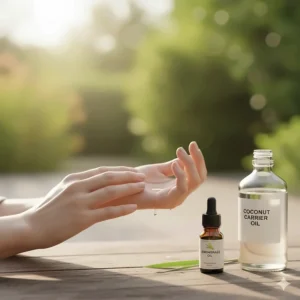
The Dilution Rule: Never, and I mean never, apply pure lemongrass essential oil directly to your skin. It’s highly concentrated and can cause irritation. The magic dilution ratio for mosquito repellency is 2-5% essential oil to carrier oil. For practical purposes, that means 10-25 drops of lemongrass oil per ounce of carrier oil.
Best carrier oils include coconut oil (solid at room temperature but melts on skin), jojoba oil (absorbs quickly), sweet almond oil (lightweight and pleasant), and olive oil (readily available and effective). Mix your oils in a small amber glass bottle to protect from light degradation.
Application technique matters. Don’t just splash it on—apply systematically to exposed skin areas: ankles, wrists, behind the knees, neck, and arms. These pulse points where blood vessels are close to the skin are mosquito magnets. Pay extra attention to these zones for better protection.
Creating Effective DIY Spray Formulas
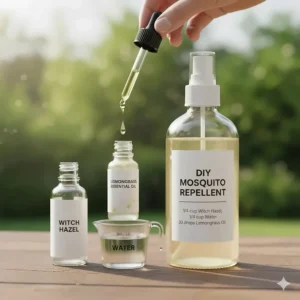
Ready to make your own organic lemongrass essential oil spray? Here’s my tried-and-tested formula that rivals commercial products:
Basic Mosquito Repellent Spray:
- 2 oz witch hazel (acts as an emulsifier and helps the spray dry quickly)
- 2 oz distilled water
- 30 drops lemongrass essential oil
- 20 drops citronella oil (optional but enhances protection)
- 10 drops lavender oil (soothes skin and adds pleasant scent)
Combine in a 4 oz spray bottle, shake vigorously before each use. The witch hazel helps the oils disperse in water, creating a more even spray. This formula provides 2-3 hours of protection with a single application.
Enhanced Protection Formula: For areas with aggressive mosquito populations, increase potency:
- 1 oz witch hazel
- 1 oz distilled water
- 40 drops lemongrass essential oil
- 20 drops eucalyptus lemon oil
- 15 drops geranium oil
- 10 drops cedarwood oil
This lemongrass citronella blend creates multiple barriers against mosquitoes using various repellent compounds. Reapply every 90 minutes for maximum protection.
Diffusing for Outdoor Spaces
Want to create a mosquito-free zone on your patio or deck? Diffusion is your answer. Use an outdoor-rated ultrasonic diffuser or a candlelit diffuser designed for exterior use.
For a typical 10×10 foot patio, add 15-20 drops of lemongrass essential oil to your diffuser reservoir. Place the diffuser upwind of your seating area so the aromatic molecules drift over the space you want to protect. This creates an invisible barrier that mosquitoes won’t cross.
Timing is crucial. Start your diffuser 15-20 minutes before you head outside. This gives the oil time to saturate the air and establish that protective bubble. Keep the diffuser running continuously during your outdoor time.
Pro tip: For larger gatherings, use multiple smaller diffusers positioned around your entertainment area rather than one large unit. This creates more even coverage and eliminates dead zones where mosquitoes might sneak through.
Best Practices for Maximum Protection
Knowing the products and basic application is just the beginning. These expert strategies will take your mosquito defense to the next level and ensure you’re getting the most out of your lemongrass essential oil for mosquitoes.
Optimal Dilution Ratios
Different situations call for different strengths. Here’s a breakdown of safe and effective dilution guidelines:
For Adults: 2-5% dilution is the sweet spot. That’s 12-30 drops per ounce of carrier oil. Use the higher end (4-5%) for areas with heavy mosquito activity or aggressive species like Asian tiger mosquitoes.
For Children (ages 2-10): Reduce to 1-2% dilution, roughly 6-12 drops per ounce. Children’s skin is more sensitive, and this lower concentration still provides effective protection while minimizing irritation risk.
For Infants (over 6 months): Go ultra-conservative at 0.5-1% dilution, about 3-6 drops per ounce. Always consult with a pediatrician before using essential oils on babies. Consider applying to clothing rather than directly on skin for this age group.
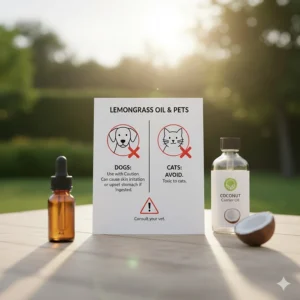
For Pets: While lemongrass is generally safe for dogs when properly diluted, cats have different metabolic pathways and can be sensitive to essential oils. For dogs, use a 0.25-0.5% dilution and apply sparingly to their collar or bandana rather than directly on fur.
Reapplication Timing
Here’s where many people go wrong—they apply once and expect all-day protection. Natural repellents, including lemongrass oil, don’t last as long as synthetic alternatives. Plan for reapplication every 2-3 hours during active outdoor time.
Environmental factors affect duration: sweating, swimming, or rain significantly reduce effectiveness. After any water exposure, reapply immediately. On hot, humid days when you’re perspiring heavily, err on the side of more frequent application—every 90 minutes isn’t excessive.
Create a reminder system. Set a phone alarm, or tie reapplication to activities: “Every time I refill my water bottle” or “When I flip the burgers.” Make it habitual rather than something you remember only after getting bitten.
Combining with Other Natural Repellents
Lemongrass is powerful, but strategic combinations create fortress-level protection. The concept of synergy means that certain natural bug spray alternatives work better together than separately.
The Citronella-Lemongrass Partnership: These cousins from the same plant family amplify each other’s effects. Mix them in a 2:1 ratio (lemongrass to citronella) for enhanced repellency that confuses mosquito senses on multiple fronts.
Add Eucalyptus Lemon: The EPA has actually registered oil of lemon eucalyptus as an effective mosquito repellent. Combine 20 drops lemongrass, 15 drops eucalyptus lemon, and 10 drops geranium in your carrier oil for scientifically-backed protection.
The Peppermint Boost: Adding 5-10 drops of peppermint oil to your lemongrass blend creates a cooling sensation while introducing additional mosquito-deterring compounds. Bonus: it feels refreshing in hot weather.
Layer your defenses. Use diffusers for ambient protection, apply topical lemongrass blends to exposed skin, and strategically plant citronella and lemongrass plants around your outdoor living spaces. This multi-layered approach dramatically reduces mosquito encounters.
Lemongrass vs Other Natural Mosquito Repellents: An Honest Comparison
You’ve got options in the natural repellent world. Let’s break down how lemongrass stacks up against other popular outdoor essential oil blends so you can make informed decisions for your specific needs.
Lemongrass vs Citronella
The eternal question: which is better? Here’s the truth—they’re botanical cousins from the same Cymbopogon family, but with notable differences.
Effectiveness: Lemongrass oil typically contains 65-80% citral, while citronella oil contains primarily citronellal and citronellol (60-80% combined). Studies show similar repellency duration (2-3 hours), but users often report lemongrass provides slightly better protection against aggressive mosquito species.
Scent Profile: Citronella has that classic “tiki torch” aroma—woody, slightly medicinal, and unmistakably “bug spray.” Lemongrass offers a fresher, more citrusy, tea-like scent that many people find more pleasant for personal use.
Price Point: Citronella is generally less expensive and more widely available. Lemongrass costs slightly more but you’re paying for that more appealing fragrance and potentially higher citral content.
Best Use Case: Use citronella for outdoor diffusion (patios, camping), where the stronger medicinal scent is less bothersome. Choose lemongrass for topical applications where you’ll smell it continuously.
Lemongrass vs Tea Tree Oil
Tea tree (melaleuca) oil has antibacterial and antifungal properties that make it popular in skincare, but how does it compare for mosquito protection?
Repellency: Tea tree oil provides moderate mosquito repellency, but significantly less than lemongrass. It’s not primarily a repellent—the mosquito-deterring effect is more of a secondary benefit. Lemongrass wins decisively for pure mosquito protection.
Skin Benefits: Tea tree oil excels at treating bites after they happen, reducing inflammation and preventing infection. Consider combining them: lemongrass for prevention, tea tree in your after-sun/post-outdoor lotion for any bites that slip through.
Dilution Requirements: Tea tree oil is less irritating than lemongrass and can be used at slightly higher concentrations (up to 5%) for topical application. However, for mosquito purposes, stick with lemongrass as your primary repellent.
Lemongrass vs Lavender
Lavender’s reputation as a mosquito repellent is somewhat overstated, but it has its place in your arsenal.
Standalone Effectiveness: Lavender alone provides minimal mosquito protection—maybe 30-45 minutes at best. It’s not a primary repellent. However, when combined with lemongrass, it offers benefits beyond repellency.
The Combination Advantage: Lavender enhances lemongrass blends by adding soothing properties that reduce skin sensitivity. It also contributes a floral note that balances lemongrass’s sharp citrus, creating a more complex, pleasant aroma profile.
Multifunctionality: Lavender’s calming effects make evening outdoor time more relaxing, potentially reducing stress while simultaneously providing modest additional mosquito protection. It’s the supporting actor that makes the star (lemongrass) shine brighter.
Lemongrass vs Peppermint
Peppermint oil is another popular choice, especially for those who love that cooling sensation.
Repellent Power: Peppermint offers decent mosquito repellency, particularly against certain species. However, its protection duration is shorter than lemongrass—typically 60-90 minutes versus 2-3 hours for lemongrass.
Cooling Effect: Where peppermint excels is providing immediate cooling relief, making it ideal for hot summer applications. Mix 3 parts lemongrass to 1 part peppermint for mosquito protection with a refreshing cool-down effect.
Caution for Pregnant/Nursing: Peppermint oil isn’t recommended during pregnancy or while nursing as it may reduce milk production. Lemongrass is generally safer for these populations (though always consult your healthcare provider).
Safety Considerations and Precautions
As natural as lemongrass essential oil is, it’s still a highly concentrated substance that demands respect. Let’s cover the important safety guidelines that’ll keep you and your family protected—from both mosquitoes and potential adverse reactions.
Skin Sensitivity and Patch Testing
Here’s something most people skip but shouldn’t: the patch test. Before using any new essential oil blend, apply a small amount (properly diluted) to your inner forearm. Cover with a bandage and wait 24 hours. No redness, itching, or irritation? You’re good to go.
Lemongrass contains citral, a powerful skin sensitizer, making proper dilution crucial. Some individuals with sensitive skin or citrus allergies may experience reactions even at proper dilutions. Signs to watch for include redness, burning sensation, rash, or increased skin sensitivity.
If irritation occurs, immediately wash the area with mild soap and cool water. Apply a soothing carrier oil like coconut or jojoba to dilute any remaining essential oil on the skin. If symptoms persist or worsen, discontinue use and consult a healthcare provider.
High-Risk Groups: People with eczema, psoriasis, or other inflammatory skin conditions should be extra cautious. Start with very low concentrations (0.5-1%) and monitor carefully for any adverse reactions.
Pregnancy and Breastfeeding Guidelines
Pregnancy introduces special considerations with essential oil use. While lemongrass is generally considered safer than many alternatives, caution is still warranted.
First Trimester: Many aromatherapists recommend avoiding all essential oils during the first trimester when fetal development is most critical. If mosquito protection is essential, use mechanical barriers (screens, netting) or consult your OB-GYN for approved options.
Second and Third Trimesters: Low dilutions (0.5-1%) of lemongrass oil are generally considered safe for topical use. Some sources suggest choosing rosemary or cedarwood scents instead, as mentioned in Wondercide’s recommendations. Always prioritize your healthcare provider’s advice over general guidelines.
Breastfeeding: Unlike peppermint oil (which can reduce milk supply), lemongrass doesn’t typically affect lactation. However, avoid applying near the breast area where baby might ingest residue during feeding. Apply to clothing rather than skin if you’re concerned.
Storage and Shelf Life
Essential oils aren’t wine—they don’t improve with age. Proper storage maximizes shelf life and maintains potency.
Ideal Storage Conditions:
- Dark amber or cobalt blue glass bottles (never clear glass)
- Cool, dark locations (60-70°F is optimal)
- Tightly sealed caps to prevent oxidation
- Away from direct sunlight and heat sources
Shelf Life Indicators:
- Unopened lemongrass oil: 2-3 years
- Opened bottle: 1-2 years
- Diluted blends: 6-12 months (shorter if using water-based formulas)
Signs of Degradation: Cloudy appearance, significantly darkened color, off-putting or rancid smell, reduced effectiveness. If your lemongrass oil doesn’t smell fresh and citrusy anymore, it’s time to replace it.
Storage Hack: Write the opening date on your bottle with a permanent marker. Set a reminder for one year later to evaluate whether it needs replacing. Pre-mixed repellent sprays should include a preservative if they contain water, or be stored in the refrigerator and used within 2-3 weeks.

Where to Buy Quality Lemongrass Essential Oil Products
Not all lemongrass oils are created equal. The market is flooded with products ranging from pharmaceutical-grade therapeutic oils to diluted or adulterated versions that won’t deliver the mosquito-fighting power you need. Here’s how to navigate the purchasing landscape like a pro.
What to Look for in Quality Products
Purity Certifications: The label should state “100% pure essential oil” or “therapeutic grade.” Avoid products labeled as “fragrance oil,” “nature identical,” or “perfume oil”—these are synthetic or heavily diluted and won’t provide mosquito repellency.
Testing Documentation: Premium brands like Plant Therapy and doTERRA provide batch-specific GC-MS (Gas Chromatography-Mass Spectrometry) reports. These documents verify the chemical composition and confirm there are no adulterants. If a brand offers this testing transparency, they’re serious about quality.
Botanical Name: Look for the Latin name Cymbopogon citratus or Cymbopogon flexuosus on the label. Both species work for mosquito repellency, though citratus typically has slightly higher citral content.
Extraction Method: Steam distillation is the gold standard for lemongrass oil. Avoid CO2 extracted or solvent-extracted versions for repellent purposes—they have different chemical profiles.
Country of Origin: High-quality lemongrass oil typically comes from India, Guatemala, or Madagascar. These regions have ideal growing conditions that produce oils with high citral content—the compound that repels mosquitoes.
Price vs Quality Balance
Let’s talk money. The cheapest option isn’t always the best value, but expensive doesn’t automatically mean superior either.
Budget Range ($5-10 per oz): NOW Essential Oils, Radha Beauty, and bulk suppliers fall here. These offer decent quality for DIY applications and outdoor diffusion. They may not have the same purity guarantees as premium brands, but they work well for non-skin applications.
Mid-Range ($10-20 per oz): Plant Therapy, Rocky Mountain Oils, and Eden’s Garden occupy this sweet spot. Excellent quality-to-price ratio with GC-MS testing, organic options, and responsive customer service. This is where most people should shop for regular mosquito repellent use.
Premium Range ($20+ per oz): doTERRA, Young Living, and specialty aromatherapy brands. You’re paying for additional quality assurance, ethical sourcing initiatives, and sometimes multi-level marketing overhead. Worth it if you value these extras, but not necessary for effective mosquito protection.
Pro Shopping Strategy: Buy premium pure oil for topical applications where you need guaranteed purity. Use mid-range oils for DIY sprays and budget options for outdoor diffusion. This tiered approach maximizes protection while managing costs.
Online vs Local Retailers
Amazon Advantages: Convenience, competitive pricing, customer reviews, and fast shipping make Amazon popular for essential oils. All the products in our top 7 list are available there. However, beware of counterfeit sellers—always verify “Ships from and sold by Amazon” or buy directly from the brand’s Amazon storefront.
Specialized Online Retailers: Sites like Plant Therapy’s direct website, Mountain Rose Herbs, and Stillpoint Aromatics offer extensive educational resources, certified aromatherapists for consultation, and often fresher products with longer shelf life than Amazon inventory.
Health Food Stores: Whole Foods, Sprouts, and local co-ops carry quality essential oils with the advantage of examining bottles before purchase. Staff can sometimes provide usage guidance, though their knowledge varies. Prices tend to be higher than online but supporting local businesses has its own value.
Big Box Stores: Walmart and Target carry budget-friendly options like NOW oils. Fine for beginners or bulk outdoor use, but selection is limited and quality inconsistency can be an issue.
Recommendation: Start with a small bottle from a specialized online retailer to test quality and your skin’s response. Once you’ve found your preferred brand and verified you tolerate it well, buy larger sizes or multi-packs for better value.
DIY Recipes: Creating Your Perfect Mosquito Repellent Blend
Now let’s get our hands dirty with some proven mosquito repellent essential oil recipe formulations. These aren’t just random combinations—they’re based on understanding how different compounds work synergistically to create protection that’s greater than the sum of its parts.
Basic Lemongrass Spray Recipe
Perfect for beginners, this simple formula delivers solid 2-3 hour protection without overwhelming complexity.
Ingredients:
- 4 oz spray bottle (amber or cobalt blue glass)
- 2 oz witch hazel
- 2 oz distilled water
- 40 drops lemongrass essential oil
- 1/4 teaspoon vegetable glycerin (helps ingredients mix and moisturizes skin)
Instructions:
- Add witch hazel to your spray bottle first
- Drop in the lemongrass essential oil
- Cap and shake vigorously for 30 seconds
- Add vegetable glycerin and shake again
- Top off with distilled water
- Shake well before each use (oils and water separate naturally)
Application: Spray on exposed skin, avoiding eyes and mouth. Reapply every 2-3 hours or after swimming/sweating. The witch hazel helps the spray dry quickly without stickiness.
Advanced Protection Formula with Citronella
When you need industrial-strength protection for camping, hiking in buggy areas, or tropical vacations, this enhanced blend brings out the big guns.
Ingredients:
- 4 oz spray bottle
- 2 oz witch hazel or vodka (190 proof grain alcohol works even better)
- 2 oz distilled water
- 30 drops lemongrass essential oil
- 25 drops citronella essential oil
- 15 drops eucalyptus lemon essential oil
- 10 drops geranium essential oil
- 10 drops cedarwood essential oil
- 1/2 teaspoon vegetable glycerin
Instructions:
- Combine alcohol/witch hazel and essential oils in spray bottle
- Shake vigorously for one full minute
- Add glycerin and shake again
- Top with distilled water and shake thoroughly
- Label with ingredients and date
Why This Works: This lemongrass citronella blend attacks mosquito detection systems from multiple angles. Lemongrass and citronella provide primary masking, eucalyptus adds EPA-recognized repellency, geranium confuses their CO2 sensors, and cedarwood extends protection duration. Each oil contributes unique compounds that make you invisible to mosquito radar.
Shelf Life: This formula lasts 3-6 months when stored in cool, dark conditions. The alcohol preserves it longer than water-based versions.
Roll-On Application for Concentrated Protection
Sprays are great, but sometimes you need concentrated protection on specific high-risk areas: ankles, wrists, behind knees, neck. Roll-ons deliver precision dosing without waste.
Ingredients:
- 10 ml (1/3 oz) roller bottle
- 9 ml carrier oil (fractionated coconut oil recommended for non-greasy finish)
- 25 drops lemongrass essential oil
- 15 drops lavender essential oil (soothes skin and masks the sharp lemongrass)
- 10 drops geranium essential oil
Instructions:
- Remove roller ball and cap from bottle
- Add essential oils directly to bottle
- Fill remainder with carrier oil
- Replace roller ball and cap
- Roll bottle between palms to mix thoroughly
Application: Roll onto pulse points, ankles, and other exposed areas. The citral content insect repellent in this formula is approximately 3.5%, providing strong protection while remaining skin-safe for most adults.
Travel Hack: These compact roll-ons fit perfectly in carry-on bags and purses. Make several and keep them strategically placed: one in your car, one in your backpack, one by the back door.
Outdoor Space Diffuser Blend
Create a mosquito-free zone for your patio, deck, or campsite with this ambient diffusion recipe designed for larger outdoor areas.
For Standard 300ml Diffuser:
- 20 drops lemongrass essential oil
- 15 drops citronella essential oil
- 10 drops eucalyptus essential oil
- 5 drops peppermint essential oil
Setup Strategy:
- Position diffuser upwind of seating area
- Start 15 minutes before use to saturate the air
- For 10×10 foot space, one diffuser is sufficient
- For larger areas (20×20 feet), use two diffusers at opposite corners
Weather Considerations: Diffusion works best in calm conditions. Wind disperses the protective oils too quickly. On breezy evenings, increase oil amounts by 50% or position diffusers more strategically to maintain coverage.
Alternative Method: Add 20-30 drops of this blend to a small dish of water near outdoor fans. The fan circulation distributes the oils across larger areas without needing electrical diffusers.
Troubleshooting Common Issues
Even with the best products and proper techniques, you might encounter some challenges. Here’s how to solve the most common problems people face when using lemongrass essential oil for mosquitoes.
“It’s Not Working!” – When Protection Fails
Problem: You applied lemongrass repellent but still got bitten.
Possible Causes:
- Insufficient Coverage: Mosquitoes are opportunists. If you missed even a small patch of skin, they’ll find it. Common missed spots include the back of the neck, behind ears, tops of feet, and inner arms.
Solution: Apply systematically in a pattern. Start at your feet and work up, ensuring you don’t skip any exposed areas. Use a mirror to check hard-to-see spots like the back of your neck.
- Dilution Too Weak: A 1% dilution might work indoors or in low-mosquito areas, but aggressive mosquito populations require stronger formulas.
Solution: Increase to 3-5% dilution for adults in high-mosquito environments. That’s 20-30 drops per ounce of carrier oil. Don’t exceed 5% without consulting an aromatherapist.
- Oil Quality Issues: Not all lemongrass oils contain adequate citral content. Degraded, old, or adulterated oils lose effectiveness.
Solution: Check your oil’s purchase date. If it’s over a year old, replace it. Always buy from reputable sources with testing documentation.
- Reapplication Timing: Natural repellents don’t last as long as DEET. Expecting 6-hour protection from a single application sets you up for disappointment.
Solution: Reapply every 2 hours minimum. After swimming, sweating heavily, or toweling off, reapply immediately regardless of time elapsed.
Skin Irritation or Allergic Reactions
Problem: Redness, itching, burning, or rash after applying lemongrass oil blend.
Immediate Response:
- Wash affected area with mild soap and lukewarm water
- Apply plain carrier oil (coconut, jojoba) to dilute remaining essential oil
- If severe, apply aloe vera gel or hydrocortisone cream
- Take an antihistamine if experiencing widespread itching
Prevention Strategies:
- Always perform patch tests before full application
- Never apply pure essential oil to skin—dilute properly
- Avoid sun exposure immediately after application (citral can increase photosensitivity)
- Consider applying to clothing rather than skin if you have sensitive skin
- Switch to lower concentrations or try geranium oil as a lemongrass alternative
When to Seek Medical Help: Difficulty breathing, facial swelling, widespread rash, or severe reactions warrant immediate medical attention. While rare, some people have genuine citral allergies.
Unpleasant Smell or Lingering Odor
Problem: You or family members find the lemongrass scent too strong or medicinal.
Modification Options:
- Add Complementary Scents: Blend with 10-15 drops lavender or 5-10 drops vanilla essential oil per ounce. These soften lemongrass’s sharp edges without reducing effectiveness.
- Try Organic Varieties: Some users report that organic lemongrass essential oils have a sweeter, less harsh aroma than conventional versions.
- Application Method Change: Instead of topical application, try clothing application. Spray your clothes and let them dry before wearing. You’ll get protection without the direct-on-skin scent experience.
- Dilution Adjustment: Sometimes less is more. A 2% dilution might be pleasant while 5% feels overwhelming. Find your personal sweet spot.
Can’t Stand It At All? Switch to geranium or eucalyptus lemon essential oils. They offer similar mosquito protection with completely different scent profiles.
Product Separation in Spray Bottles
Problem: Your homemade spray separates into distinct layers even after shaking.
Why It Happens: Essential oils and water don’t mix naturally. They need an emulsifying agent to create a stable blend.
Solutions:
- Add Emulsifier: Witch hazel, vodka, or grain alcohol help oils and water combine. Use at least 25% emulsifier in your total formula (1 oz emulsifier in a 4 oz spray).
- Use Polysorbate 20: This natural emulsifier (derived from lauric acid) prevents separation. Add 1/2 teaspoon per 4 oz spray.
- Accept and Shake: Some separation is normal and harmless. Simply shake vigorously for 10-15 seconds before each use. Label your bottle “Shake well before use” as a reminder.
- Carrier Oil Instead: Make an oil-based spray using carrier oil instead of water. It won’t spray as fine, but it stays mixed and provides longer-lasting protection.
❓ Frequently Asked Questions
❓ How long does lemongrass essential oil repel mosquitoes?
❓ Can I apply pure lemongrass essential oil directly to my skin?
❓ Is lemongrass oil safe for babies and young children?
❓ Which is better for mosquitoes: lemongrass or citronella?
❓ How do I make a mosquito repellent spray with lemongrass oil?
Conclusion: Your Natural Defense Against Mosquitoes
We’ve covered a lot of ground—from understanding the science behind how lemongrass essential oil for mosquitoes works to comparing the top seven products and creating your own custom blends. Now you’re equipped with knowledge that transforms you from a mosquito magnet into someone who confidently enjoys outdoor spaces without constantly swatting and scratching.
The beauty of lemongrass essential oil lies in its versatility. Whether you prefer the convenience of ready-to-spray products like Wondercide or Medella, the purity and customization potential of oils from Plant Therapy or doTERRA, or the value-packed combination of the NOW Essential Oils 3-Pack, there’s an option that fits your lifestyle and budget.
Remember the key principles we’ve covered: proper dilution ensures safety, regular reapplication maintains protection, and combining complementary oils creates synergistic defense. The best lemongrass oil insect repellent is the one you’ll actually use consistently—whether that’s a commercial spray you keep by the door or a DIY roll-on blend you craft yourself.
Natural mosquito protection isn’t about achieving 100% perfection. It’s about significantly reducing bites, avoiding harsh chemicals when possible, and creating pleasant outdoor experiences for you and your family. Some mosquitoes might still sneak through, but you’ll dramatically decrease those irritating encounters while knowing exactly what you’re putting on your skin.
Start with one product from our list—I recommend the Medella Naturals if you want proven effectiveness with minimal hassle, or Plant Therapy Organic if you’re excited about DIY formulation. Experiment with application methods, pay attention to reapplication timing, and adjust concentrations based on your local mosquito population.
This summer, you don’t have to choose between suffering mosquito bites or coating yourself in synthetic chemicals. Lemongrass essential oil offers a third path—natural, effective, pleasant-smelling protection that works with your body’s chemistry rather than against it. Go forth and reclaim your outdoor spaces!
Recommended for You
- 7 Best Christmas Essential Oil Blend Recipe for Festive Homes 2026
- 7 Best Bergamot Essential Oils for Anxiety Relief 2026
- 7 Best Essential Oil Blend for Focus and Concentration in 2026
Disclaimer: This article contains affiliate links. If you purchase products through these links, we may earn a small commission at no additional cost to you.
✨ Found this helpful? Share it with your friends! 💬🤗
