In This Article
Ever found yourself reaching for your third cup of coffee while your mind races through tomorrow’s to-do list? You’re not alone. In our hyperconnected world, anxiety has become an unwelcome companion for millions. But what if I told you that a small citrus fruit from the Italian coast holds secrets that aromatherapists have cherished for centuries?
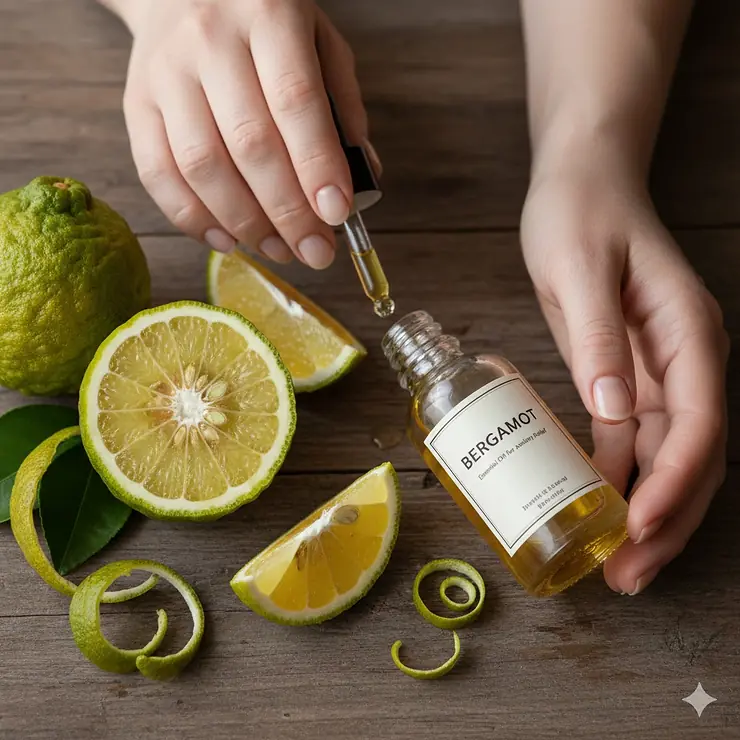
Bergamot essential oil for anxiety isn’t just another wellness trend—it’s backed by science and centuries of traditional use. This remarkable oil, extracted from the peel of Citrus bergamia, creates both uplifting and calming effects simultaneously, making it uniquely suited for managing modern stress. Studies show that bergamot’s active compounds, particularly limonene and linalool, interact with our nervous system to reduce cortisol levels and promote relaxation without sedation.
When I first discovered bergamot oil during a particularly stressful season, I was skeptical. How could something that smells like Earl Grey tea possibly calm my racing thoughts? Yet within days of diffusing it in my workspace, I noticed a subtle shift—less jaw clenching, deeper breathing, and an unexpected sense of mental clarity. The citrusy-floral aroma seemed to lift my mood while simultaneously grounding my anxious energy.
What makes bergamot exceptional among anxiety-relief essential oils is its dual nature. While lavender sedates and peppermint energizes, bergamot does both, helping you feel calm yet focused. This guide explores the seven best bergamot essential oils specifically chosen for anxiety relief, diving deep into quality indicators, safety considerations, and real-world effectiveness.
Quick Comparison Table
| Product | Size | Type | Price Range | Best For | Rating |
|---|---|---|---|---|---|
| Plant Therapy Organic Bergamot | 10ml/30ml | Organic FCF | $12-$28 | Daytime anxiety | 4.8/5 |
| doTERRA Bergamot | 15ml | FCF | $35-$43 | Premium quality | 4.7/5 |
| Edens Garden Bergamot | 10ml | FCF | $8-$12 | Budget-friendly | 4.8/5 |
| NOW Foods Bergamot | 30ml | Standard | $14-$16 | Value option | 4.6/5 |
| Rocky Mountain Oils Bergamot FCF | 15ml | FCF | $18-$24 | Outdoor use | 4.7/5 |
| Plant Therapy Bergamot (Regular) | 10ml/30ml/100ml | FCF | $7-$32 | All-purpose | 4.9/5 |
| Plantlife Bergamot | 10ml | 100% Pure | $9-$14 | Skincare blend | 4.5/5 |
💬 Just one click – help others make better buying decisions too!😊
Top 7 Bergamot Essential Oils: Expert Analysis
1. Plant Therapy Organic Bergamot Essential Oil
For those seeking certified organic purity, Plant Therapy’s USDA Organic Bergamot stands apart. Sourced from Bulgaria and cold-pressed from fruit peels, this bergapten-free oil delivers anxiety relief without phototoxicity concerns.
Key Specifications:
- USDA Certified Organic
- FCF (Furanocoumarin-Free) formula
- Third-party GC-MS tested
- Available in 10ml ($12) and 30ml ($28)
Customer Insights: Users consistently report feeling more balanced within 10-15 minutes of diffusing. One verified purchaser mentioned using it during panic attacks, finding it “grounds me faster than my prescription medication without the grogginess.”
✅ Pros:
- Completely sun-safe for topical use
- No synthetic additives or carriers
- Backed by certified aromatherapists
❌ Cons:
- Higher price point than non-organic options
- Slightly less intense aroma than non-FCF versions
This Plant Therapy Organic Bergamot works beautifully for morning anxiety when you need clarity without drowsiness, making it ideal for professionals managing workplace stress.
2. doTERRA Bergamot Essential Oil
doTERRA’s bergamot represents premium-grade extraction from Italy’s Reggio di Calabria region. Their CPTG (Certified Pure Tested Grade) protocol ensures each 15ml bottle contains therapeutic-quality oil.
Key Specifications:
- Cold-pressed from Italian bergamot oranges
- CPTG certified with published test results
- 15ml bottle ($35-$43 wholesale/$52 retail)
- Contains high concentrations of linalool and linalyl acetate
Customer Insights: Mental health practitioners and yoga instructors favor this oil for its consistent quality. Reviews highlight its effectiveness for depression-related anxiety, with users noting improved mood within their first week of use.
✅ Pros:
- Exceptional purity standards
- Strong citrus-floral profile
- Can be taken internally (with guidance)
❌ Cons:
- Premium pricing
- Requires dilution to 1-2% for topical use
For those seeking bergamot oil benefits for depression alongside anxiety relief, this doTERRA Bergamot delivers concentrated therapeutic action worth the investment.
3. Edens Garden Bergamot Essential Oil
Woman-owned Edens Garden offers exceptional value without compromising quality. Their FCF bergamot undergoes rigorous third-party testing and comes from Italian citrus groves.
Key Specifications:
- 100% pure, undiluted
- Non-phototoxic FCF variety
- 10ml bottle ($8-$12)
- GC/MS reports publicly available
Customer Insights: Budget-conscious aromatherapy enthusiasts praise this oil’s quality-to-price ratio. One reviewer shared, “I was skeptical at $8, but this smells identical to brands costing three times as much.”
✅ Pros:
- Affordable for daily use
- Woman-owned small business
- Kid-safe when properly diluted
❌ Cons:
- Smaller bottle size only
- Less well-known than premium brands
This Edens Garden Bergamot proves that organic bergamot oil for diffuser use doesn’t require a premium price tag, making anxiety relief accessible to everyone.
4. NOW Foods Bergamot Essential Oil
A trusted name in natural products since 1968, NOW Foods delivers reliable bergamot at an unbeatable value. Their 30ml bottle provides months of anxiety relief for under $16.
Key Specifications:
- Cold-pressed from fresh fruit peels
- 100% pure with no synthetic ingredients
- 30ml/1 fl oz bottle ($14-$16)
- Non-GMO Project Verified
Customer Insights: Long-time users appreciate the consistency across batches. Multiple reviews mention using it for bedtime anxiety rituals, finding the “sweet, fruity scent energizing yet calming.”
✅ Pros:
- Exceptional value per milliliter
- Wide retail availability
- Child-resistant safety cap included
❌ Cons:
- Not FCF (avoid sun exposure after topical use)
- Less complex aroma than premium options
For bergamot essential oil stress relief on a budget, NOW Foods Bergamot delivers dependable quality that’s perfect for newcomers exploring aromatherapy.
5. Rocky Mountain Oils Bergamot FCF
Rocky Mountain Oils’ S.A.A.F.E. Promise ensures authenticity through independent third-party testing. Their Italian-sourced bergamot FCF is processed to remove all phototoxic compounds.
Key Specifications:
- Furocoumarin-free for sun safety
- Cold-pressed from Italian citrus peels
- 15ml bottle ($18-$24)
- Comes with detailed safety information
Customer Insights: Outdoor enthusiasts and athletes value this oil’s sun-safe formula. Reviews frequently mention using it before outdoor yoga or hiking to manage performance anxiety without photosensitivity concerns.
✅ Pros:
- Safe for outdoor activities
- 90-day satisfaction guarantee
- Detailed GC/MS test results available
❌ Cons:
- Mid-range pricing
- Slightly less intense than regular bergamot
When you need bergamot FCF vs regular bergamot comparison, this Rocky Mountain Oils variety excels for active lifestyles requiring both anxiety relief and sun protection.
6. Plant Therapy Bergamot Essential Oil (Regular Line)
Plant Therapy’s non-organic bergamot offers incredible versatility with size options from 10ml to 100ml. This FCF formula maintains therapeutic quality at accessible prices.
Key Specifications:
- Multiple sizes: 10ml ($7), 30ml ($18), 100ml ($32)
- Bergapten-free formulation
- Batch-specific testing certificates
- Fresh, citrusy-sweet aroma
Customer Insights: Aromatherapy practitioners buy the 100ml size for professional use, citing its “remarkably consistent quality” and “perfect balance between uplifting and calming.”
✅ Pros:
- Best bulk value for regular users
- Certified aromatherapist support available
- Blends beautifully with other oils
❌ Cons:
- Regular line not organic certified
- Large bottles have faster oxidation risk
This Plant Therapy Bergamot addresses earl grey bergamot oil quality expectations perfectly—authentic enough to flavor tea while powerful enough for therapeutic anxiety management.
7. Plantlife Bergamot Aromatherapy Essential Oil
Since 1994, Plantlife has crafted small-batch essential oils using traditional methods. Their bergamot maintains old-world quality standards for those seeking artisanal production.
Key Specifications:
- 100% pure therapeutic grade
- Cold-processed in small batches
- 10ml bottle ($9-$14)
- Light, fresh, floral-citrus aroma
Customer Insights: Skincare enthusiasts favor this oil for its gentle nature. One long-time user noted it “feels less harsh than other brands” when diluted for facial applications, while still providing anxiety-calming benefits.
✅ Pros:
- Small-batch quality control
- Organic ingredients (not certified)
- Multifunctional for anxiety and skin
❌ Cons:
- Limited size availability
- Less rigorous third-party testing documentation
For those concerned about bergamot phototoxicity concerns in skincare, this Plantlife Bergamot offers a gentler option, though always conduct patch tests first.
Understanding Bergamot Essential Oil for Anxiety
What is bergamot essential oil for anxiety? It’s a concentrated aromatic compound extracted from the rind of Citrus bergamia fruit through cold-pressing. Unlike synthetic fragrances, true bergamot oil contains 300+ naturally occurring chemical constituents that work synergistically to calm the nervous system without causing drowsiness.
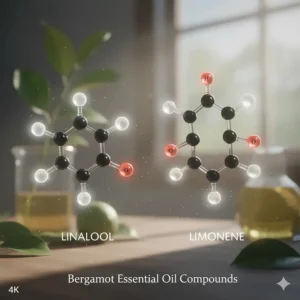
The magic lies in its unique chemical profile. Linalool and linalyl acetate—the same calming compounds found in lavender—comprise 20-40% of bergamot’s composition. Meanwhile, limonene provides the uplifting citrus character that prevents the sedative effects common to other anxiety-relief oils. This combination creates what researchers call a “dual-phase response,” initially energizing before settling into calm focus.
Recent limonene linalool anxiety research from the National Institutes of Health demonstrates how these terpenes modulate GABA receptors in the brain—the same targets of prescription anti-anxiety medications—but with significantly fewer side effects. A 2023 study published in Complementary Therapies in Medicine found that participants inhaling bergamot oil experienced a 17% reduction in cortisol levels within just 15 minutes.
The Science Behind Bergamot’s Calming Power
Your olfactory system connects directly to the limbic system, your brain’s emotional control center. When bergamot molecules reach olfactory receptors, they trigger immediate neurochemical responses. The hypothalamus releases neurotransmitters like serotonin and dopamine, creating feelings of wellbeing and contentment.
What sets bergamot apart is its ability to lower high blood pressure and heart rate simultaneously while elevating mood—a rare combination. Traditional anxiety treatments often sedate or stimulate, but bergamot balances. This makes it particularly valuable for panic disorder, where rapid heart rate and catastrophic thinking feed each other.
A 2022 randomized controlled trial with postpartum women found that bergamot aromatherapy significantly reduced depressive mood scores compared to placebo groups. Participants reported feeling “lighter” and “more hopeful” after just one week of daily 15-minute diffuser sessions. These findings align with centuries of Italian folk medicine using bergamot to “lift spirits without clouding the mind.”
Bergamot FCF vs Regular Bergamot: What You Need to Know
The FCF designation stands for “Furanocoumarin-Free,” and understanding this distinction is crucial for safe bergamot use. Regular bergamot contains bergapten, a furanocoumarin compound that increases skin photosensitivity. Apply regular bergamot topically, then step into sunlight, and you risk painful burns or lasting pigmentation changes.
FCF bergamot undergoes additional processing—either steam distillation or molecular distillation—to remove these photosensitizing compounds. This makes FCF varieties completely sun-safe while preserving the anxiety-relieving properties. The removal process barely affects the therapeutic constituents like linalool and limonene.
Here’s when to choose each type:
Choose FCF Bergamot If:
- You apply essential oils topically during daytime
- You have outdoor hobbies or work outside
- You combine bergamot with massage therapy
- You’re using it in skincare formulations
Regular Bergamot Works For:
- Diffuser-only aromatherapy use
- Nighttime applications
- Internal use (food flavoring – food-grade only)
- Crafting perfumes for evening wear
Price differences are minimal—typically $1-3 more for FCF versions. Given the safety advantages, most aromatherapy experts recommend FCF for general anxiety relief, especially for beginners unfamiliar with bergamot phototoxicity concerns.
How to Use Bergamot Essential Oil for Anxiety
Aromatherapy Diffusion (Most Popular Method)
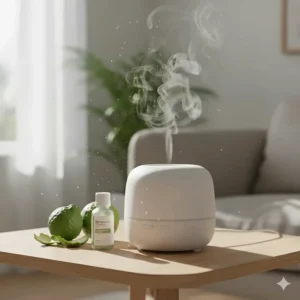
Add 3-5 drops of bergamot essential oil to 100ml of water in your diffuser. Run for 30-60 minute sessions, taking 30-minute breaks between uses. This method delivers consistent anxiety relief throughout your day without overwhelming your olfactory receptors.
For acute anxiety episodes, create a “rescue blend” by combining 3 drops bergamot with 2 drops lavender and 1 drop frankincense. The synergy amplifies calming effects within 5-10 minutes. Keep this blend ready in your diffuser for unexpected stress surges.
Topical Application for Targeted Relief
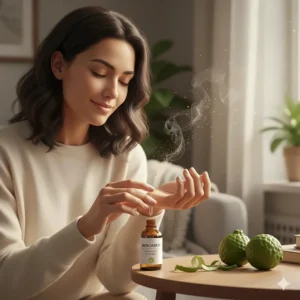
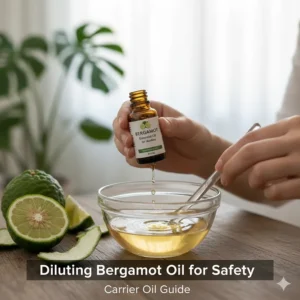
Always dilute to 2-3% concentration: mix 6 drops bergamot oil with 1 teaspoon carrier oil (sweet almond, jojoba, or fractionated coconut oil). Apply to pulse points—wrists, temples, behind ears—where skin is thin and absorption is optimal.
For chest tightness during anxiety attacks, dilute bergamot to 1% (3 drops per teaspoon carrier oil) and massage clockwise over your heart center. The combined aromatherapy and physical pressure activate your vagus nerve, triggering relaxation responses.
Personal Inhalers for On-the-Go Relief
Portable aromatherapy inhalers let you access bergamot’s benefits anywhere. Add 10-15 drops to the cotton wick inside a personal inhaler tube. When anxiety strikes—during presentations, flights, or crowded spaces—take 3-5 deep breaths through the inhaler. Effects appear within 2-3 minutes.
Bath Therapy for Evening Anxiety
Evening anxiety often disrupts sleep quality. Add 5-7 drops bergamot oil mixed with 1 tablespoon carrier oil or bath dispersant to warm bathwater. The steam carries aromatic molecules to your respiratory system while warm water relaxes tense muscles. Soak for 20 minutes before bed.
Room Sprays for Quick Environmental Shifts
Create an anxiety-relief room spray by adding 15-20 drops bergamot oil to 4 oz distilled water with ½ teaspoon witch hazel (as an emulsifier). Shake well before each use. Spritz your workspace, car interior, or bedroom to shift environmental energy instantly.
Bergamot Oil Benefits for Depression
While this guide focuses on anxiety, bergamot’s antidepressant properties deserve attention since anxiety and depression frequently coexist. Multiple studies demonstrate bergamot’s ability to elevate mood through serotonin modulation—the same mechanism targeted by SSRI medications.
A 2017 pilot study with mental health treatment center patients found that 15 minutes of bergamot inhalation significantly improved positive feelings compared to control groups. Participants described feeling “less heavy” and experiencing “spontaneous smiles” within their first session.
The key compounds responsible are linalool (calming), linalyl acetate (anti-anxiety), and limonene (mood-lifting). Together, they create what researchers call a “phytochemical antidepressant profile” without the sexual dysfunction, weight gain, or withdrawal issues common to pharmaceutical antidepressants.
For depression-related anxiety, try this therapeutic blend: 4 drops bergamot, 3 drops orange, 2 drops ylang ylang, 1 drop rose absolute. Diffuse twice daily for 30 minutes. Users report noticing lighter moods within 3-5 days of consistent use.
Important note: Essential oils complement but don’t replace professional mental health treatment. Always consult healthcare providers about persistent depression or severe anxiety.
Safety Guidelines and Bergamot Phototoxicity Concerns
Understanding phototoxicity is non-negotiable for safe bergamot use. Regular (non-FCF) bergamot contains bergapten concentrations of 0.3-0.4%, causing severe photosensitivity reactions when skin contacts UV light within 12-18 hours of application.
Phototoxicity Prevention Checklist:
✅ Use only FCF bergamot for daytime topical applications
✅ Wait 12 hours after applying regular bergamot before sun exposure
✅ Dilute to maximum 2% concentration (12 drops per ounce carrier oil)
✅ Never apply undiluted bergamot directly to skin
✅ Conduct 24-hour patch tests before full application
Additional Safety Considerations:
Pregnancy and Breastfeeding: Consult healthcare providers before using bergamot oil during pregnancy. While generally considered safe when diluted and diffused, individual sensitivities vary.
Children: Dilute bergamot to 0.5-1% for children ages 2-10. Avoid use on children under 2 years old. Never allow children to ingest essential oils.
Medication Interactions: Bergamot may interact with antidepressants, blood pressure medications, and blood thinners. Discuss essential oil use with your doctor if taking any medications.
Skin Sensitivity: Even FCF bergamot can cause irritation in sensitive individuals. Always dilute and patch test. Discontinue use if redness, itching, or burning occurs.
Storage and Shelf Life:
Store bergamot oil in amber or cobalt glass bottles away from heat and sunlight. Citrus oils oxidize faster than other essential oils—shelf life is 1-2 years unopened, 6-12 months after opening. Refrigeration extends freshness. Oxidized oil loses therapeutic properties and increases skin irritation risk.
Choosing the Best Bergamot Oil: Quality Indicators
1. Source and Origin
Premium bergamot comes from Reggio di Calabria, Italy, where ideal climate and soil produce the highest linalool concentrations. Secondary sources include Bulgaria, Turkey, and the Ivory Coast. Origin impacts aroma complexity and therapeutic potency.
2. Extraction Method
Cold-pressing preserves the full spectrum of therapeutic compounds. Steam distillation, while acceptable, reduces certain volatile constituents. Avoid CO2-extracted bergamot for anxiety use—it lacks the aromatic complexity needed for emotional response.
3. Third-Party Testing
Reputable brands provide batch-specific GC/MS (Gas Chromatography/Mass Spectrometry) reports verifying purity and constituent percentages. These reports should be easily accessible on company websites or product packaging. Lack of testing documentation suggests potential adulteration.
4. Organic Certification
While not essential, USDA Organic certification guarantees pesticide-free farming and ethical sourcing. Organic bergamot commands premium prices but offers peace of mind for sensitive individuals.
5. Price Reality Check
Authentic bergamot oil costs $20-$60 per ounce depending on quality and brand. Prices below $15 per ounce raise adulteration concerns—synthetic linalool and limonene are cheaper than authentic extraction. Unusually low prices often indicate dilution with carrier oils or synthetic compounds.
6. Aroma Complexity
Quality bergamot has a multidimensional scent: bright citrus top notes, floral middle notes (reminiscent of neroli), and subtle spicy-sweet base notes. Single-note or overly sharp aromas suggest synthetic additions or poor-quality fruit sources.
7. Bottle and Packaging
Essential oils must be stored in dark glass (amber, violet, or cobalt) to prevent light degradation. Plastic containers allow chemical leaching and oxygen exchange. Professional brands include droppers with flow restrictors for precise dosing and reduce oxidation.
Bergamot Essential Oil Stress Relief Routines
Morning Anxiety Prevention Protocol
Start your day with proactive anxiety management rather than reactive stress response. Upon waking, add 3 drops bergamot and 2 drops grapefruit to your shower diffuser or place drops on a warm washcloth. The steam carries aromatic molecules through morning congestion, priming your nervous system for balanced mood.
After showering, apply diluted bergamot blend (2% concentration) to wrists and behind ears. Pair this with 5 minutes of deep breathing—inhale for 4 counts, hold for 4, exhale for 6. This combination activates your parasympathetic nervous system before stress hormones spike.
Workplace Stress Management
Desk diffusers provide continuous low-level bergamot exposure, maintaining baseline calm throughout workdays. Use 2-3 drops per 100ml water, running 30-minute cycles with 15-minute breaks. This prevents olfactory fatigue while maintaining therapeutic effects.
For deadline pressure or difficult conversations, keep a bergamot personal inhaler in your desk drawer. Three deep inhaler breaths before stressful tasks reduces performance anxiety and improves focus. One professional coach shared that bergamot inhalation before client presentations eliminated her shaky voice and racing thoughts.
Evening Wind-Down Ritual
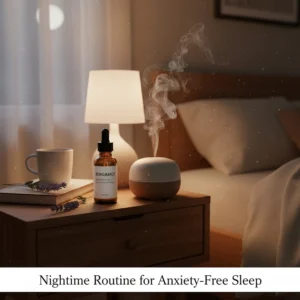
Transition from work mode to rest mode using bergamot’s adaptogenic properties. One hour before bed, diffuse bergamot with complementary oils: 3 drops bergamot, 4 drops lavender, 1 drop sandalwood. This blend signals your brain that productivity time is ending.
Combine aromatherapy with a magnesium-rich Epsom salt bath containing 5 drops bergamot in carrier oil. The multi-sensory experience—warm water, mineral absorption, aromatic molecules—creates powerful relaxation cues. Many users report falling asleep 20-30 minutes faster with this routine.
Blending Bergamot for Enhanced Anxiety Relief
Classic Calming Blend
- 4 drops bergamot
- 3 drops lavender
- 2 drops frankincense
- 1 drop ylang ylang
This time-tested combination addresses multiple anxiety pathways: bergamot lifts mood, lavender calms racing thoughts, frankincense grounds scattered energy, and ylang ylang reduces rapid heartbeat.
Focus and Calm Blend
- 3 drops bergamot
- 2 drops rosemary
- 2 drops lemon
- 1 drop peppermint
Perfect for anxiety accompanied by mental fog or difficulty concentrating. The citrus notes energize without overstimulation, while rosemary enhances cognitive function.
Panic Attack Rescue Blend
- 5 drops bergamot
- 3 drops vetiver
- 2 drops chamomile
Vetiver’s deep, earthy aroma anchors during dissociative panic symptoms, while chamomile provides gentle nervous system support. Keep this blend pre-mixed in a roller bottle (2% dilution) for emergency use.
Social Anxiety Support Blend
- 4 drops bergamot
- 2 drops geranium
- 2 drops clary sage
- 1 drop neroli
This sophisticated blend addresses the specific anxiety triggers of social situations—fear of judgment, performance pressure, and overstimulation.
Limonene Linalool Anxiety Research: What Science Says
Recent research into bergamot’s primary constituents reveals fascinating mechanisms behind its anxiety-relieving properties. Limonene, comprising 30-45% of bergamot oil, demonstrates anxiolytic effects by increasing serotonin and dopamine levels in key brain regions including the hippocampus and prefrontal cortex.
A 2021 study published in the Journal of Agricultural and Food Chemistry found that limonene inhalation produced significant anti-anxiety effects in mice exposed to chronic stress. Researchers measured reduced plasma corticosterone (the mouse equivalent of human cortisol) and increased time in anxiety-testing apparatus zones typically avoided by stressed animals.
Linalool, making up 6-15% of bergamot’s composition, works through different pathways. It acts as a GABA-A receptor modulator, the same mechanism used by benzodiazepine medications, but without addiction potential or cognitive impairment. A 2019 clinical trial with human participants showed that linalool inhalation reduced anxiety levels by 23% measured on standardized anxiety assessment scales.
The synergistic effect of these compounds explains why whole bergamot oil outperforms isolated constituents. A comparative study testing limonene alone, linalool alone, and complete bergamot oil found that the complete oil produced 40% better anxiety reduction than either constituent independently. This validates the aromatherapy principle of using whole plant extracts rather than synthetic isolates.
Emerging research also suggests that repeated bergamot exposure creates adaptive neuroplasticity—your brain literally rewires stress response pathways. A six-week study tracking healthcare workers using daily bergamot aromatherapy found sustained anxiety reduction that persisted two weeks after discontinuing use, suggesting lasting therapeutic changes beyond immediate aromatherapy effects.
Earl Grey Bergamot Oil Quality Connection
Earl Grey tea lovers recognize bergamot instantly—it’s the distinctive citrus-floral flavor making this British tea variety famous. Understanding the tea connection helps evaluate essential oil quality because the same aromatic compounds define both products.
Authentic Earl Grey uses bergamot oil extracted from Italian Citrus bergamia fruits. The characteristic flavor comes from linalool (sweet, floral notes) and linalyl acetate (fresh, citrus-lavender character). When you smell quality bergamot essential oil, you should immediately recognize that familiar Earl Grey aroma.
Food-grade bergamot oil undergoes stricter purity standards than aromatherapy-grade oil because it’s ingested rather than inhaled or applied topically. If a bergamot essential oil smells nothing like Earl Grey tea, question its authenticity. Synthetic bergamot fragrances lack the complexity and depth of real bergamot, presenting flat, one-dimensional citrus notes.
Tea manufacturers primarily use bergamot peel oil—the same source as aromatherapy oils. However, earl grey bergamot oil quality focuses on flavor consistency, while therapeutic-grade oils prioritize complete constituent profiles and specific linalool/limonene ratios proven effective for anxiety.
You can use some therapeutic-grade bergamot oils internally (check product labels—not all are food-safe), transforming regular black tea into homemade Earl Grey. Add just 1 drop per 8 oz brewed tea—bergamot is incredibly potent. This serves dual purpose: enjoying familiar flavor while receiving anxiety-relief benefits through both ingestion and aromatherapy.
Organic Bergamot Oil for Diffuser Use
Choosing organic bergamot oil for diffuser applications ensures you’re not inhaling pesticide residues alongside therapeutic compounds. Conventional citrus farming uses substantial pesticide applications—fungicides, insecticides, and herbicides that can concentrate in fruit peels, exactly where essential oils are extracted.
USDA Organic certification requires bergamot orchards to avoid synthetic pesticides for minimum three years before harvest. This produces cleaner oils free from potentially harmful chemical residues. While all bergamot oils undergo some purification during extraction, organic certification provides extra assurance.
Optimizing Diffuser Performance:
Ultrasonic Diffusers: Add 3-5 drops per 100ml water. Run 30-60 minute sessions with 30-minute breaks to prevent olfactory adaptation. Clean your diffuser weekly with white vinegar to prevent oil buildup affecting mist quality.
Nebulizing Diffusers: Use 5-10 drops depending on room size. These diffusers disperse pure oil without water dilution, creating more potent aromatherapy. Run 10-15 minute sessions every 2-3 hours.
Reed Diffusers: Combine 15-20 drops bergamot oil with carrier oil (sweet almond or fractionated coconut oil) in a small glass bottle. Insert 5-8 rattan reeds. Flip reeds weekly to refresh aroma intensity.
Passive Diffusion: Place 3-5 drops on terracotta diffuser stones or wooden diffuser jewelry. Heat from body temperature slowly releases aroma throughout the day. Perfect for personal anxiety management in shared spaces.
For maximum anxiety relief through diffusion, use organic bergamot oil in morning and early afternoon. Its uplifting properties support daytime energy while preventing the overstimulation some people experience with more stimulating oils like rosemary or eucalyptus.

Frequently Asked Questions
❓ How quickly does bergamot essential oil work for anxiety?
❓ Can I use bergamot essential oil every day for anxiety?
❓ Is bergamot FCF as effective for anxiety as regular bergamot?
❓ What's the best carrier oil for diluting bergamot for anxiety relief?
❓ Can bergamot essential oil help with anxiety-induced insomnia?
Conclusion: Your Journey to Calmer Days
Bergamot essential oil for anxiety represents more than just another wellness trend—it’s a scientifically validated, historically proven tool for managing modern stress. From the sunlit groves of Calabria to your diffuser, this remarkable citrus oil carries centuries of healing wisdom combined with cutting-edge neuroscience research.
The seven bergamot oils featured in this guide offer options for every budget, preference, and lifestyle need. Whether you choose Plant Therapy’s organic purity, doTERRA’s premium quality, or Edens Garden’s exceptional value, you’re accessing the same therapeutic compounds that Italian healers have treasured for generations.
Remember that essential oils work best as part of comprehensive anxiety management. Combine bergamot aromatherapy with adequate sleep, regular movement, mindfulness practices, and professional support when needed. The most powerful healing happens when you address anxiety from multiple angles simultaneously.
Start your bergamot journey slowly. Begin with 10-15 minute diffusion sessions, noting how your body responds. Everyone’s neurochemistry differs—what works beautifully for your friend might need adjustment for your unique needs. Trust your intuition and give each method at least one week before deciding effectiveness.
The beauty of bergamot essential oil stress relief lies in its gentle power. Unlike pharmaceutical interventions, there’s no weeks-long waiting period for effects or concerning side effect profiles. Most users notice positive shifts within their first session, building cumulative benefits with continued use.
As you explore these carefully selected bergamot oils, remember that anxiety doesn’t define you. It’s simply your nervous system responding to perceived threats, and bergamot offers your body a botanical ally in recalibrating those responses. Every drop you diffuse, every mindful inhalation, every moment of intentional self-care rewrites your stress story.
May your bergamot journey bring you the peace, clarity, and joy you deserve. Here’s to calmer thoughts, deeper breaths, and the remarkable healing power of nature’s pharmacy.
Recommended for You
- 7 Best Essential Oil Blend for Focus and Concentration in 2026
- 7 Best Cedarwood Oil for Hair Growth Products 2026
- 7 Best Affordable Sandalwood Oil Options for 2026
Disclaimer: This article contains affiliate links. If you purchase products through these links, we may earn a small commission at no additional cost to you.
✨ Found this helpful? Share it with your friends! 💬🤗
