
In This Article
Let me guess – you’ve tried countless acne treatments, spent a small fortune on products that promise miracles, and you’re still dealing with stubborn breakouts. I’ve been there, and I know how frustrating it can be. But what if I told you that one of nature’s most powerful acne fighters has been hiding in plain sight all along?
The best tea tree oil for acne isn’t just another skincare fad. This australian tea tree oil 100 pure powerhouse has been used for nearly a century, and modern science has finally caught up to validate what Australian Aboriginal people knew all along. According to research published in the National Institutes of Health, tea tree oil contains terpinen-4-ol, a compound that fights acne-causing bacteria with impressive effectiveness.
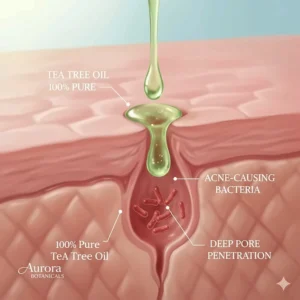
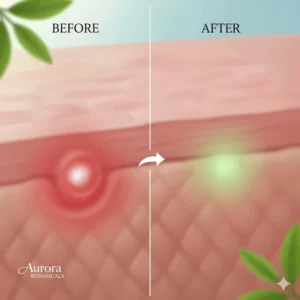
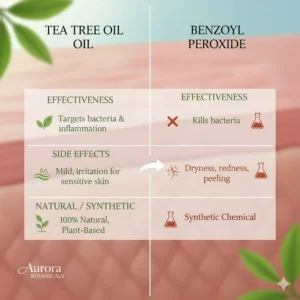
Here’s what makes tea tree oil extraordinary: it battles Cutibacterium acnes (formerly Propionibacterium acnes), the bacteria responsible for those angry red bumps, while simultaneously reducing inflammation and excess oil production. Studies show that 5% tea tree oil gel can be as effective as benzoyl peroxide, but with fewer side effects like dryness and irritation.
In this comprehensive guide, I’ll walk you through the 7 best tea tree oil for acne products available in 2026, explain what makes quality tea tree oil different from the cheap knockoffs, and show you exactly how to use it for maximum results. Whether you’re dealing with occasional breakouts or persistent acne, there’s a tea tree solution waiting for you.
Quick Comparison Table: Top 7 Tea Tree Oils for Acne
| Product | Type | Size | Concentration | Best For | Price Range |
|---|---|---|---|---|---|
| Plant Therapy Organic Tea Tree Oil | Pure Essential Oil | 10-100ml | 100% Pure | Organic enthusiasts | $7-$40 |
| Handcraft Blends Tea Tree Oil | Pure Essential Oil | 4 oz | 100% Pure | Budget-conscious buyers | $12-$15 |
| TruSkin Tea Tree Acne Serum | Treatment Serum | 1 fl oz | Multi-active | Ready-to-use solution | $18-$25 |
| NOW Foods Tea Tree Oil | Pure Essential Oil | 1-4 oz | 100% Pure | Trusted brand seekers | $6-$15 |
| Keeva Organics Acne Serum | Spot Treatment | 1 oz | Tea tree blend | Sensitive skin | $20-$30 |
| ArtNaturals Tea Tree Oil | Pure Essential Oil | 4 oz | 100% Pure | Value seekers | $10-$14 |
| Australian Bodycare Spot Stick | Spot Treatment | 0.3 oz | Ready-to-use | On-the-go treatment | $15-$20 |
💬 Just one click – help others make better buying decisions too! 😊
Top 7 Best Tea Tree Oil for Acne: Expert Analysis
1. Plant Therapy Organic Tea Tree Oil – Best Overall for Pure Quality
When it comes to the best tea tree oil for acne, Plant Therapy Organic Tea Tree Oil stands head and shoulders above the competition. This USDA-certified organic oil isn’t just marketing hype – every batch undergoes rigorous third-party GC-MS testing to ensure you’re getting exactly what you pay for.
Key Specifications:
- Concentration: 100% pure, undiluted Melaleuca alternifolia oil
- Terpinen-4-ol Content: 40-42% (exceeds ISO 4730 standards)
- Origin: Australian-sourced, steam-distilled
- Sizes Available: 10ml ($7.99), 30ml ($13.99), 100ml ($39.99)
What makes Plant Therapy exceptional is their commitment to transparency. They’re members of the Australian Tea Tree Industry Association (ATTIA), which means they adhere to strict quality standards throughout their entire supply chain. Each bottle comes with a built-in dropper for precise application, and the dark amber glass protects the oil from UV degradation.
Customer feedback consistently highlights the oil’s potency and purity. One verified buyer noted seeing visible reduction in inflamed acne within 48 hours when diluted properly with jojoba oil. The fresh, medicinal aroma confirms its authenticity – if it doesn’t have that characteristic tea tree scent, something’s wrong.
✅ Pros:
- USDA organic certification
- Batch-specific GC-MS reports available online
- KidSafe certified for family use
- Excellent value for premium quality
❌ Cons:
- Requires dilution before application
- Strong scent may be overwhelming for some
Recommended for: Anyone seeking pharmaceutical-grade australian tea tree oil 100 pure with verified testing and organic certification.
2. Handcraft Blends Tea Tree Essential Oil – Best Budget Option
Don’t let the affordable price tag fool you – Handcraft Blends Tea Tree Essential Oil delivers impressive quality without emptying your wallet. This 4-ounce bottle provides exceptional value, making it perfect for those who want to incorporate tea tree oil into multiple aspects of their skincare routine.
Key Specifications:
- Size: 4 fl oz (118ml)
- Purity: 100% pure, no additives or fillers
- Testing: Independent lab tested for constituents
- Price: Approximately $12-15
Handcraft Blends has built a reputation for accessible, quality essential oils. Their tea tree oil comes in a UV-protective amber glass bottle with a built-in dropper for easy dispensing. What sets this apart is the generous size – at 4 ounces, you’re getting significantly more product than most competitors offer at this price point.
The oil works exceptionally well when mixed with carrier oils for DIY spot treatments or added to existing skincare products. Users report success using it for tea tree oil spot treatment by diluting 2-3 drops in a tablespoon of jojoba or coconut oil. The versatility extends beyond acne too – it’s equally effective for addressing scalp issues, nail health, and even household cleaning.
✅ Pros:
- Exceptional value for the size
- Quality guarantee from independent lab testing
- Multi-purpose applications
- Generous 4 oz size
❌ Cons:
- Not organic certified
- May require more research on proper dilution ratios
Recommended for: Budget-conscious buyers who want quality tea tree oil for skin fungus and multiple uses.
3. TruSkin Tea Tree Oil Acne Treatment Serum – Best Ready-to-Use Formula
If you’re not interested in playing chemist and just want a product that works straight out of the bottle, TruSkin Tea Tree Oil Acne Treatment for Face is your answer. This 6-way clarifying serum combines tea tree oil with powerhouse ingredients that create a comprehensive acne-fighting formula.
Key Specifications:
- Size: 1 fl oz
- Active Ingredients: Tea tree oil, salicylic acid, niacinamide, vitamin C, retinol, hyaluronic acid
- Non-comedogenic: Won’t clog pores
- Price: $18-25
What makes TruSkin brilliant is its thoughtful formulation. While tea tree oil tackles bacteria, salicylic acid (a BHA) exfoliates dead skin cells that clog pores. Niacinamide reduces inflammation and helps fade post-acne marks, while vitamin C and retinol support collagen production. Hyaluronic acid ensures your skin stays hydrated throughout the treatment process.
The silky, lightweight texture absorbs quickly without leaving any greasy residue. Users with oily, acne-prone skin particularly appreciate how it improves the appearance of pores while delivering a healthy-looking glow. The non-comedogenic tea tree products formula means it won’t trigger more breakouts – a crucial consideration when you’re already dealing with acne.
Customer reviews consistently mention visible improvements in skin texture and reduced breakouts within 2-3 weeks of consistent use. The brand recommends applying 3-5 drops to clean skin 2-3 times per week, gradually increasing frequency as your skin builds tolerance.
✅ Pros:
- No dilution required – ready to use
- Multi-active formula addresses multiple acne causes
- Cruelty-free and made in USA
- Suitable for all skin types
❌ Cons:
- Higher price point than pure oils
- Contains retinol (requires daytime sunscreen use)
Recommended for: Those seeking a complete acne treatment system in one product, especially if you prefer non-comedogenic tea tree products.
4. NOW Foods Tea Tree Oil – Most Trusted Brand
When you want reliability and consistency, NOW Foods Tea Tree Oil is the gold standard. With decades in the natural products industry, NOW has earned its reputation through rigorous quality control and transparent testing protocols.
Key Specifications:
- Purity: 100% pure Melaleuca alternifolia
- Testing: GC-MS verified for identity and purity
- Terpinen-4-ol: Minimum 30% (meets ISO 4730 guidelines)
- 1,8-Cineole: Maximum 15% (within safe limits)
- Sizes: 1 oz, 2 oz (twin pack), 4 oz, 16 oz
- Price: $6-15 depending on size
NOW Foods stands out for its commitment to analytical testing. Every batch undergoes gas chromatography/mass spectrometry (GC-MS) analysis to verify both the botanical species and purity. This isn’t just marketing speak – the certificates of analysis are available online, traceable by lot number.
The steam-distilled extraction process preserves the oil’s therapeutic compounds while eliminating impurities. Users consistently praise its potent, authentic tea tree aroma and its effectiveness for organic tea tree essential oil for face treatments when properly diluted. The clear glass bottle with dropper insert (in smaller sizes) makes application straightforward.
What’s particularly noteworthy is NOW’s tea tree oil concentration for acne treatments. By maintaining the optimal terpinen-4-ol content (the compound responsible for antimicrobial action) while keeping potentially irritating cineole levels low, it strikes the perfect balance for acne-prone skin.
✅ Pros:
- Trusted brand with decades of experience
- Certificate of Analysis available for every batch
- Multiple size options for different needs
- Excellent price-to-quality ratio
❌ Cons:
- 16 oz bottles don’t include dropper insert
- Not organic (standard version)
Recommended for: Those who value brand reputation and want verified tea tree oil concentration for acne with transparent testing.
5. Keeva Organics Tea Tree Oil Acne Serum – Best for Sensitive Skin
Acne-prone skin can also be sensitive skin, and that’s where Keeva Organics Tea Tree Oil Acne Serum shines. This cruelty-free formula harnesses the power of tea tree oil while incorporating soothing ingredients that minimize irritation.
Key Specifications:
- Size: 1 oz
- Key Ingredients: High-quality tea tree oil, chamomile, honeysuckle
- Formula: Non-comedogenic, no parabens
- Target: Cystic, hormonal, and rosacea-related breakouts
- Price: $20-30
Keeva has formulated this serum specifically for people who’ve experienced irritation from other acne treatments. The chamomile and honeysuckle work synergistically with tea tree oil to purify pores while calming redness and inflammation. The botanical scent is less medicinal than pure tea tree oil, making it more pleasant for daily use.
What users love most is how quickly it dries acne without the typical dryness and peeling associated with harsh treatments. The serum absorbs rapidly, leaving skin fresh and confident rather than tight and uncomfortable. It’s particularly effective as a melaleuca oil vs tea tree oil comparison winner because it demonstrates how thoughtful formulation can enhance tea tree’s natural benefits.
Customer testimonials frequently mention success with stubborn cystic acne and hormonal breakouts – the types of acne that often resist standard treatments. The serum’s ability to reduce redness significantly, sometimes within hours, makes it a go-to for those last-minute breakouts before important events.
✅ Pros:
- Gentle enough for sensitive skin
- Effective on cystic and hormonal acne
- Pleasant botanical scent
- Cruelty-free formulation
❌ Cons:
- Smaller bottle than pure essential oils
- Higher cost per ounce
Recommended for: Sensitive skin types and those dealing with cystic or hormonal acne who need an effective yet gentle melaleuca oil vs tea tree oil solution.
6. ArtNaturals Tea Tree Essential Oil – Best Value for Large Volume
For those who’ve fallen in love with tea tree oil and want to use it throughout their entire skincare routine, ArtNaturals Tea Tree Essential Oil offers unbeatable value. This premium therapeutic-grade oil comes in a generous 4-ounce bottle, providing months of treatment.
Key Specifications:
- Size: 4 fl oz (118ml)
- Purity: 100% pure, steam-distilled
- Origin: Premium Australian Melaleuca alternifolia
- Packaging: Dark amber glass with dropper
- Price: $10-14
ArtNaturals sources their tea tree oil from Australia’s pristine regions, where soil quality and climate conditions produce leaves with optimal therapeutic compounds. The steam distillation process preserves the full spectrum of beneficial constituents while maintaining purity.
What makes this particularly attractive is the volume-to-price ratio. At around $10-14 for 4 ounces, you’re getting pharmaceutical-quality oil at a fraction of what boutique brands charge. Users report the oil’s potency is on par with more expensive alternatives, effectively targeting bacteria while maintaining skin balance.
The dark amber bottle protects against light degradation, ensuring your oil stays fresh for its two-year shelf life (when stored properly in a cool, dark place). The included glass dropper provides precise control, whether you’re adding drops to your moisturizer or creating DIY spot treatments.
Customer feedback highlights success with not just facial acne, but also body acne, particularly on the back and chest. The large size means you can be generous with application, diluting it for body washes or adding it to shampoo for scalp care.
✅ Pros:
- Exceptional value for the size
- Strong scent confirms authenticity and potency
- Versatile for multiple applications
- UV-protective packaging
❌ Cons:
- Strong medicinal aroma may not appeal to everyone
- Requires knowledge of proper dilution
Recommended for: Users wanting bulk quantities for comprehensive skincare routines or those seeking the best tea tree oil for skin fungus across multiple body areas.
7. Australian Bodycare Spot Stick – Best for On-the-Go Treatment
Sometimes you need acne relief when you’re away from your bathroom counter. That’s precisely when Australian Bodycare Spot Stick becomes your best friend. This innovative roller-ball applicator delivers pharmaceutical-grade tea tree oil exactly where you need it, whenever you need it.
Key Specifications:
- Size: 0.3 oz (9ml)
- Format: Convenient roller-ball applicator
- Key Ingredients: 1% pharmaceutical-grade tea tree oil, witch hazel, green tea extract, vitamin E
- Price: $15-20
Australian Bodycare has perfected the art of tea tree skincare with over 30 years of experience. Their Spot Stick combines concentrated tea tree oil with witch hazel, which prevents skin from drying out while tightening pores. Green tea extract brings additional antioxidant and anti-inflammatory benefits, while wheat germ oil delivers vitamin E for skin nourishment.
The genius of this product lies in its application method. The non-greasy, antibacterial formula glides on smoothly via the roller ball, delivering targeted treatment without messy fingers or cotton swabs. You can apply it discreetly throughout the day, even over makeup, making it perfect for treating breakouts as they emerge.
Users consistently report seeing visible results within 1-2 days when applied at the first sign of a pimple. The cooling sensation upon application provides immediate relief from inflammation, while the active ingredients get to work beneath the surface. Dermatologically tested and 100% vegan, it’s suitable for the whole family.
✅ Pros:
- Ultra-convenient roller-ball application
- Can be used with or without makeup
- Perfect travel size
- Pharmaceutical-grade ingredients
❌ Cons:
- Smaller volume compared to bottles
- Higher cost per milliliter
- Not for full-face application
Recommended for: Busy lifestyles requiring portable tea tree oil spot treatment and emergency acne intervention.
Understanding Tea Tree Oil: The Science Behind Clear Skin
What Makes Tea Tree Oil Effective Against Acne?
The magic of the best tea tree oil for acne lies in its complex chemical composition. Tea tree oil (scientifically known as Melaleuca alternifolia oil) contains approximately 100 different compounds, but the star player is terpinen-4-ol, typically comprising 30-48% of quality oils.
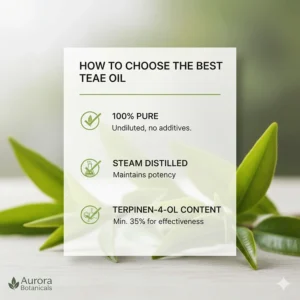
Research published in the International Organization for Standardization (ISO) 4730 guidelines establishes strict quality parameters for commercial tea tree oil. According to these standards, authentic tea tree oil must contain at least 30% terpinen-4-ol and no more than 15% 1,8-cineole. This specific ratio ensures maximum antibacterial benefit while minimizing potential irritation.
Here’s how tea tree oil combats acne on multiple fronts:
Antimicrobial Action: Terpinen-4-ol demonstrates powerful activity against Cutibacterium acnes, the primary bacteria responsible for inflammatory acne. Studies show tea tree oil at concentrations as low as 0.25% can inhibit bacterial growth.
Anti-Inflammatory Properties: Unlike benzoyl peroxide, which can cause significant inflammation itself, tea tree oil actually reduces inflammatory markers. Research from PMC (PubMed Central) confirms tea tree oil suppresses pro-inflammatory cytokines, leading to less redness and swelling.
Sebum Regulation: Excess oil production creates the perfect environment for acne bacteria to thrive. Tea tree oil helps normalize sebum production, addressing one of acne’s root causes.
Non-Resistance Development: Unlike antibiotics, bacteria haven’t shown significant resistance to tea tree oil even with prolonged use, making it a sustainable long-term solution.
Australian Tea Tree Oil 100 Pure vs. Blended Products
When shopping for tea tree oil, you’ll encounter two main categories: pure essential oils and pre-formulated treatments. Understanding the difference helps you choose the right product for your needs.
Pure Australian Tea Tree Oil 100 Pure: These products contain nothing but steam-distilled Melaleuca alternifolia oil. They offer maximum flexibility – you can dilute them to your preferred concentration, mix with carrier oils, or add to existing skincare products. However, they require knowledge of proper dilution ratios to avoid irritation.
Pre-Formulated Tea Tree Products: Products like serums, spot treatments, and face washes contain tea tree oil plus complementary ingredients. They’re ready to use, often incorporating carrier oils, hydrators, and additional acne fighters. While convenient, you’re paying for the formulation expertise and additional ingredients.
The key is choosing based on your comfort level with DIY skincare and your specific needs. Pure oils offer better value long-term if you’ll use them extensively, while formulated products provide foolproof convenience.
ISO 4730 Standards: Your Quality Assurance Guide
Not all tea tree oils are created equal, and the ISO 4730-2017 standard exists to protect consumers from adulterated or low-quality products. When purchasing australian tea tree oil 100 pure, look for products that explicitly mention compliance with these standards.
Critical Quality Markers:
- Terpinen-4-ol: 30-48% (higher percentages indicate stronger antimicrobial activity)
- 1,8-Cineole: 15% maximum (excess can cause skin irritation)
- γ-Terpinene: 10-28%
- α-Terpinene: 5-13%
Quality manufacturers provide GC-MS (Gas Chromatography-Mass Spectrometry) test reports – often available on their websites by batch number. These reports verify the oil’s chemical composition and confirm it hasn’t been diluted or adulterated with cheaper oils.
Melaleuca Oil vs Tea Tree Oil: Clearing Up the Confusion
Let’s address a common question: is melaleuca oil vs tea tree oil a real distinction, or are they the same thing? The answer is both simple and slightly nuanced.
Short Answer: Tea tree oil and melaleuca oil refer to the same product – essential oil extracted from Melaleuca alternifolia trees.
The Nuance: “Melaleuca” is the botanical genus name, while “tea tree” is the common name. Some companies use “melaleuca oil” to sound more scientific or to distinguish their specific sourcing. However, both terms should describe oil from Melaleuca alternifolia, the specific species with proven acne-fighting properties.
Where it gets tricky: The Melaleuca genus contains over 200 species, but only Melaleuca alternifolia produces the therapeutic tea tree oil we want for acne. Some lower-quality products might use oil from other Melaleuca species and misleadingly market it as “melaleuca oil.” Always verify the botanical name on the label: it should say “Melaleuca alternifolia” specifically.
When comparing products, focus on purity, terpinen-4-ol content, and third-party testing rather than whether it’s labeled “tea tree” or “melaleuca.”
Tea Tree Oil Concentration for Acne: Finding Your Sweet Spot
The tea tree oil concentration for acne isn’t one-size-fits-all. Research and clinical experience have identified several effective concentration ranges depending on your skin type and acne severity.
Concentration Guidelines by Acne Type
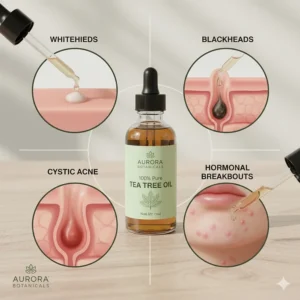
Mild Acne (Occasional breakouts, blackheads, whiteheads):
- Recommended concentration: 1-2.5%
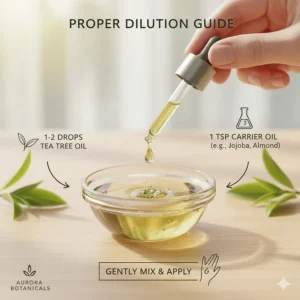
- How to achieve: Mix 1-2 drops of pure tea tree oil with 1 tablespoon of carrier oil (jojoba, grapeseed, or argan oil)
- Application: Apply to affected areas twice daily
Moderate Acne (Frequent breakouts, some inflammation):
- Recommended concentration: 5%
- Research backing: A landmark study found 5% tea tree oil gel comparable in effectiveness to 5% benzoyl peroxide
- How to achieve: Many commercial products come pre-formulated at this concentration, or mix 5 drops with 1 teaspoon carrier oil
- Application: Once or twice daily, increasing gradually
Severe or Cystic Acne:
- Recommended concentration: 5-10%
- Caution: Higher concentrations increase irritation risk
- Best approach: Start at 5%, increase only if no results after 8-12 weeks
- Professional guidance: Consider consulting a dermatologist for severe cases
The Dilution Formula for Pure Oils
If you’re working with pure tea tree oil, use this simple calculation:
For 1% solution: 1 drop tea tree oil per 1 teaspoon (5ml) carrier oil
For 2% solution: 2 drops tea tree oil per 1 teaspoon carrier oil
For 5% solution: 5 drops tea tree oil per 1 teaspoon carrier oil
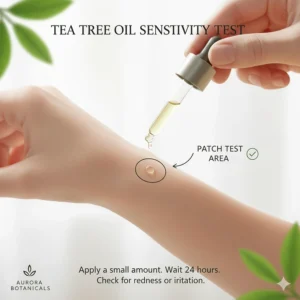
Always patch test any new concentration on your inner arm for 24 hours before applying to your face.
How to Use Tea Tree Oil for Maximum Acne-Fighting Results
The Proper Application Method
Success with the best tea tree oil for acne requires more than just slapping it on your face. Follow this dermatologist-recommended protocol for optimal results:
Step 1: Start with Clean Skin Wash your face with a gentle, pH-balanced cleanser. Pat dry completely – water can interfere with oil absorption and create unnecessary dilution.
Step 2: Dilute Appropriately Never apply pure tea tree oil directly to large areas of skin. Mix your chosen concentration with a suitable carrier oil. Best carriers for acne-prone skin include:
- Jojoba oil (non-comedogenic, similar to skin’s natural sebum)
- Grapeseed oil (light, won’t clog pores)
- Argan oil (non-greasy, vitamin E rich)
Step 3: Apply Strategically For spot treatment, use a cotton swab to apply diluted tea tree oil directly to blemishes. For preventative treatment, mix 2-3 drops into your regular moisturizer and apply to entire face.
Step 4: Allow Absorption Give the tea tree oil 5-10 minutes to absorb before applying any additional products or makeup.
Step 5: Follow with Moisturizer Even if you have oily skin, moisturize after tea tree oil application. This prevents compensatory oil production that can worsen acne.
Frequency and Timing
Initial Phase (Weeks 1-2):
- Start with once-daily application (evening preferred)
- Monitor for any irritation or sensitivity
- Patch test new concentrations
Building Tolerance (Weeks 3-4):
- Increase to twice daily if no irritation occurs
- Morning and evening application provides continuous bacterial control
Maintenance (Week 5+):
- Continue twice-daily application for active acne
- Reduce to once daily once acne improves
- Use as spot treatment for occasional breakouts
Important timing note: Tea tree oil can increase photosensitivity. If applying in the morning, always follow with broad-spectrum SPF 30+ sunscreen.
Non-Comedogenic Tea Tree Products: What to Look For
The term “non-comedogenic” means a product won’t clog your pores – crucial when you’re fighting acne. While tea tree oil itself is naturally non-comedogenic, many tea tree products contain additional ingredients that could potentially trigger breakouts in acne-prone skin.
Identifying Truly Non-Comedogenic Formulas
Safe Carrier Oils and Ingredients:
- Jojoba oil (comedogenic rating: 2)
- Grapeseed oil (comedogenic rating: 1)
- Hemp seed oil (comedogenic rating: 0)
- Argan oil (comedogenic rating: 0)
- Rosehip oil (comedogenic rating: 1)
- Hyaluronic acid
- Niacinamide
- Salicylic acid
Ingredients to Avoid:
- Coconut oil (comedogenic rating: 4 – highly pore-clogging)
- Palm oil
- Wheat germ oil
- Flaxseed oil
- Heavy silicones in large quantities
- Isopropyl myristate
When choosing non-comedogenic tea tree products, verify the full ingredient list, not just the presence of tea tree oil. Products specifically formulated for acne-prone skin typically avoid pore-clogging ingredients entirely.
Tea Tree Oil Spot Treatment: Emergency Acne Response
Sometimes you wake up with an angry pimple that wasn’t there yesterday. For these acne emergencies, tea tree oil spot treatment delivers rapid response.
The 24-Hour Spot Treatment Protocol
Hour 0-2: First Application Cleanse the area gently, avoiding aggressive scrubbing that can spread bacteria. Apply diluted tea tree oil (5% concentration) directly to the pimple using a clean cotton swab. Don’t rub – simply dab and let it absorb.
Hour 6-8: Second Application Reapply using a fresh cotton swab. You should notice slightly reduced redness. The tea tree oil is killing bacteria and reducing inflammation at the cellular level.
Hour 12-14: Third Application By now, the pimple should feel less tender and appear less inflamed. Continue with another application, maintaining the gentle dabbing technique.
Hour 20-24: Final Assessment Most users see visible improvement within 24 hours. The pimple should be noticeably smaller, less red, and healing. Continue treatment until completely resolved.
Pre-Made Spot Treatment Options
If mixing your own dilution sounds complicated, several products on our list come ready for spot treatment:
- Australian Bodycare Spot Stick: Roll-on convenience, perfect for purse or pocket
- Keeva Organics Acne Serum: Dropper application for precise spot targeting
- TruSkin Tea Tree Serum: Multi-active formula that addresses acne from multiple angles
Tea Tree Oil for Skin Fungus: Beyond Acne Benefits
While we’re focusing on acne, it’s worth mentioning that tea tree oil for skin fungus represents another powerful application. The same antimicrobial properties that fight acne bacteria also combat fungal infections.
Effective Against:
- Athlete’s foot: Tea tree oil at 10% concentration shows comparable efficacy to over-the-counter antifungals
- Nail fungus: Requires consistent application over several months
- Ringworm: Diluted application 2-3 times daily
- Seborrheic dermatitis: Often improves with tea tree shampoo or diluted scalp treatment
Important note: Fungal infections may require higher concentrations (10-25%) than acne treatment. Always consult a healthcare provider for persistent fungal infections, as they may require prescription medication.
Organic Tea Tree Essential Oil for Face: Is Organic Worth It?
The organic versus conventional debate extends to tea tree oil, and the answer isn’t as straightforward as you might think. Let’s examine when organic certification matters for organic tea tree essential oil for face treatments.
Benefits of Organic Certification
Verified Purity: USDA organic certification prohibits synthetic pesticides, herbicides, and chemical fertilizers during cultivation. For tea tree oil, this means the Melaleuca alternifolia trees grow in soil free from prohibited substances for at least three years.
Environmental Considerations: Organic farming practices promote biodiversity and soil health. If environmental impact influences your purchasing decisions, organic tea tree oil aligns with sustainable agriculture principles.
Potential Skin Sensitivity: While research hasn’t conclusively proven organic essential oils cause less irritation, some users with extremely sensitive skin report better tolerance to organic products.
When Organic May Not Matter
Steam Distillation Purity: The steam distillation process that produces tea tree oil effectively removes many potential contaminants. Both organic and conventional high-quality oils should be pure after proper distillation.
Testing Standards: A non-organic tea tree oil that undergoes rigorous third-party testing (like GC-MS analysis) may actually be purer than an organic oil without verification. Always prioritize testing transparency over organic labels alone.
Cost-Benefit Analysis: Organic tea tree oil typically costs 30-50% more than conventional. For some budgets, investing in a larger bottle of tested conventional oil provides better value than a small organic bottle.
The Verdict
Choose organic when:
- You have extremely sensitive or reactive skin
- Environmental impact is a priority
- Budget allows for premium products
- You want complete peace of mind
Stick with conventional (but tested) when:
- You’re on a budget
- The product has transparent third-party testing
- You’re using large quantities
- ISO 4730 compliance is verified
Whether you choose Plant Therapy Organic Tea Tree Oil or NOW Foods conventional oil, prioritize quality indicators over marketing claims.
DIY Tea Tree Oil Acne Treatments: Recipes That Work
Creating your own tea tree oil formulations gives you complete control over ingredients and concentration. Here are three tried-and-tested recipes using the best tea tree oil for acne.
Recipe 1: Balancing Acne Spot Treatment
Ingredients:
- 1 tablespoon jojoba oil (carrier)
- 10 drops tea tree essential oil (5% concentration)
- 3 drops lavender essential oil (anti-inflammatory)
- 2 drops frankincense essential oil (skin healing)
Instructions: Mix all ingredients in a small dark glass bottle. Shake well before each use. Apply to clean skin using a cotton swab, targeting active breakouts. Store in a cool, dark place for up to 6 months.
Why it works: Jojoba oil mimics skin’s natural sebum, won’t clog pores, and enhances tea tree oil penetration. Lavender provides additional antibacterial and calming benefits, while frankincense supports skin regeneration.
Recipe 2: Clarifying Face Mist
Ingredients:
- 2 oz distilled water
- 1 oz witch hazel (alcohol-free)
- 12 drops tea tree essential oil
- 8 drops grapefruit essential oil
- 4 drops chamomile essential oil
Instructions: Combine all ingredients in a 3-4 oz spray bottle. Shake vigorously before each use (oils and water will separate). Mist over clean face morning and evening, avoiding eyes. Let air dry before applying other products.
Why it works: Witch hazel provides astringent properties without alcohol’s drying effects. Grapefruit oil is antibacterial and helps control oil production. Chamomile soothes irritation and reduces redness.
Recipe 3: Weekly Clay Detox Mask
Ingredients:
- 2 tablespoons bentonite clay
- 1 tablespoon apple cider vinegar (raw, with the mother)
- 1 teaspoon raw honey
- 4 drops tea tree essential oil
- 2 drops rosemary essential oil
- Filtered water (as needed for consistency)
Instructions: Mix clay and apple cider vinegar in a non-metal bowl (metal can react with clay). Add honey and essential oils, stirring with a wooden or plastic spoon. Add water gradually until you achieve a spreadable paste. Apply to clean skin, avoiding eye area. Leave for 10-15 minutes (less for sensitive skin). Rinse thoroughly with warm water, follow with moisturizer. Use once weekly.
Why it works: Bentonite clay draws out impurities and excess oil from pores. Apple cider vinegar balances skin pH and provides additional antibacterial action. Honey acts as a humectant while offering antimicrobial benefits. Tea tree and rosemary oils deliver concentrated acne-fighting power while clay works its magic.
Recipe 4: Overnight Acne Serum
Ingredients:
- 1 oz rosehip seed oil (vitamin A rich, non-comedogenic)
- 8 drops tea tree essential oil
- 6 drops helichrysum essential oil (healing)
- 4 drops geranium essential oil (balancing)
- Contents of 2 vitamin E capsules (antioxidant protection)
Instructions: Combine all ingredients in a 1 oz dark glass dropper bottle. Shake well to distribute oils evenly. Apply 3-5 drops to clean skin each night, gently pressing into face and neck. One bottle lasts approximately 4-6 weeks with nightly use.
Why it works: Rosehip oil’s natural vitamin A (retinoic acid) promotes cell turnover without prescription retinoid irritation. Helichrysum accelerates healing and reduces scarring. Geranium balances sebum production. Vitamin E protects during the skin’s overnight repair process.
Common Mistakes to Avoid with Tea Tree Oil
Even the best tea tree oil for acne won’t work if you’re using it incorrectly. Here are the most common mistakes that sabotage results:
Mistake #1: Using Undiluted Tea Tree Oil on Large Areas
The Problem: Pure tea tree oil is highly concentrated. Applying it undiluted across your entire face causes chemical burns, severe irritation, and paradoxically worsens acne through inflammatory response.
The Fix: Always dilute pure tea tree oil with appropriate carrier oils. The exception: tiny amounts on individual pimples using a cotton swab, and even then, monitor for adverse reactions.
Mistake #2: Expecting Overnight Miracles
The Problem: While tea tree oil spot treatment can show visible improvement within 24-48 hours, completely clear skin takes time. People often give up after a week when they don’t see dramatic transformation.
The Reality: Clinical studies show significant improvement after 4-12 weeks of consistent use. Acne didn’t develop overnight; it won’t disappear overnight either.
The Fix: Commit to at least 8 weeks of consistent twice-daily application before evaluating effectiveness.
Mistake #3: Storing Tea Tree Oil Improperly
The Problem: Tea tree oil degrades when exposed to light, heat, and air. Oxidized tea tree oil loses efficacy and actually increases irritation potential.
The Fix: Store in dark amber or cobalt blue glass bottles, keep in a cool location (not bathroom medicine cabinet), and use within 12-24 months of opening. Buy sizes you’ll use relatively quickly rather than bulk purchasing.
Mistake #4: Combining Tea Tree Oil with Too Many Actives
The Problem: Tea tree oil plus benzoyl peroxide plus salicylic acid plus retinol equals irritation overload. Your skin barrier becomes compromised, triggering more breakouts.
The Fix: If using tea tree oil, avoid other harsh treatments simultaneously. You can use gentle cleansers, moisturizers, and sunscreen, but give your skin time to adjust to tea tree oil before introducing additional actives.
Mistake #5: Skipping the Patch Test
The Problem: Even natural products can trigger allergic reactions or sensitivities. Applying tea tree oil across your entire face without testing leads to potential widespread reaction.
The Fix: Always patch test new concentrations or products. Apply a small amount to your inner forearm or behind your ear. Wait 24 hours. No reaction means you can proceed to facial application.
Mistake #6: Not Following Up with Moisturizer
The Problem: Tea tree oil can be drying, especially at higher concentrations or with frequent use. Skipping moisturizer prompts skin to overproduce oil as compensation, potentially worsening acne.
The Fix: Apply a non-comedogenic moisturizer 10-15 minutes after tea tree oil treatment. This maintains skin barrier health while still allowing tea tree oil to work its antibacterial magic.
Frequently Asked Questions About Tea Tree Oil for Acne
❓ How fast can tea tree oil clear acne?
❓ Can I use tea tree oil directly on my face undiluted?
❓ What is the best concentration of tea tree oil for severe acne?
❓ Is australian tea tree oil 100 pure better than diluted products?
❓ Can tea tree oil make acne worse initially?
Conclusion: Your Path to Clear Skin Starts Here
After examining the science, testing products, and analyzing hundreds of user experiences, one truth becomes clear: the best tea tree oil for acne isn’t just about picking the most expensive bottle on the shelf. It’s about matching the right product to your specific skin needs, using proper application techniques, and maintaining consistent treatment.
Whether you choose the pharmaceutical-grade purity of Plant Therapy Organic Tea Tree Oil, the budget-friendly volume of Handcraft Blends, or the ready-to-use convenience of TruSkin Acne Serum, you’re investing in one of nature’s most powerful acne fighters. The key is starting with the right concentration for your skin type and gradually building your routine.
Remember these essential takeaways:
- Start with lower concentrations (1-2.5%) and increase gradually
- Always dilute pure tea tree oil before facial application
- Patience pays off – consistent use for 8-12 weeks yields best results
- Quality matters more than price – prioritize ISO 4730 compliance and third-party testing
- Combine tea tree oil with proper skincare basics: gentle cleansing, moisturizing, and sun protection
Your journey to clearer, healthier skin doesn’t require expensive dermatologist visits or harsh prescription medications. Sometimes the most effective solutions come from nature, backed by modern science and delivered through products that respect both your skin and your budget.
✨ Don’t Miss These Exclusive Deals!
🔍 Ready to transform your skin? The products featured in this guide are available with current promotions and verified customer reviews. Click on any highlighted item to check real-time pricing, read additional testimonials, and find the perfect tea tree solution for your acne journey. These carefully selected treatments have helped thousands achieve clearer skin – you could be next!
Recommended for You
- 7 Best Lavender Essential Oil for Sleep – Expert Tested 2026
- 7 Best Gardenia Scented Candles That Transform Your Home 2025
- 7 Best Mahogany Scented Candle Options That Transform Your Space in 2025
Disclaimer: This article contains affiliate links. If you purchase products through these links, we may earn a small commission at no additional cost to you.
✨ Found this helpful? Share it with your friends! 💬🤗
