
In This Article
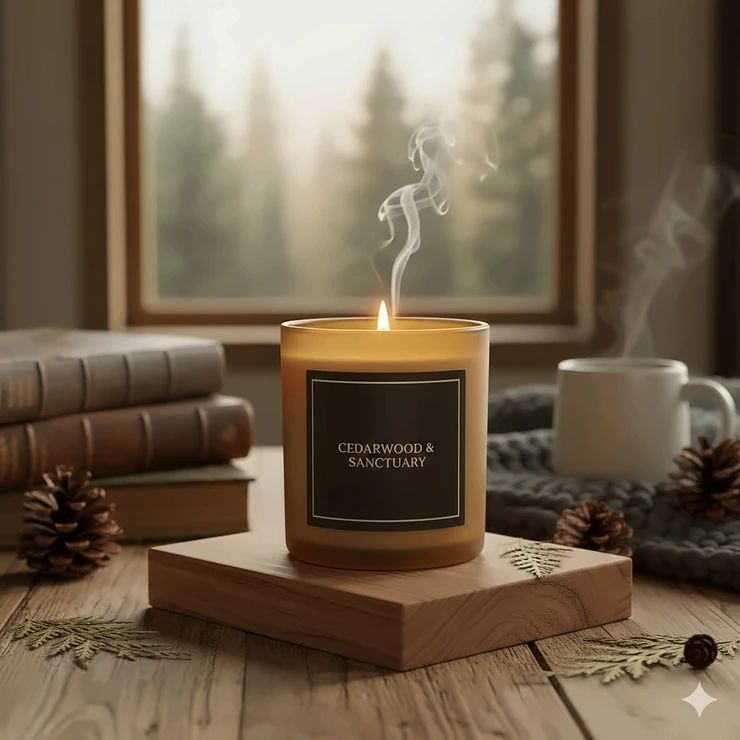
There’s something deeply primal about the scent of cedar. Maybe it’s the way it transports you to a misty forest at dawn, or how it wraps your living room in that cozy, grounded feeling you’ve been chasing all day. I’ve tested dozens of cedar scented candles over the years, and let me tell you—not all woodsy scents are created equal.
Cedar essential oil has been used for centuries in aromatherapy practices, valued for its calming and grounding properties. Research has shown that cedarwood contains sedative properties, with studies finding that the cedrol compound had notable effects on restless motor activity, making these candles perfect for creating a peaceful home environment. The beauty of cedar scented candles lies in their versatility. They’re earthy enough for a winter evening but fresh enough for spring cleaning sessions.
This guide cuts through the marketing fluff to bring you the absolute best cedar scented candles available in 2025. Whether you’re looking for budget-friendly options or luxury statement pieces, I’ve got you covered with real products, honest feedback, and practical advice you can actually use.
Quick Comparison Table
| Product | Size | Burn Time | Price Range | Best For |
|---|---|---|---|---|
| Yankee Candle Balsam & Cedar | 22oz | Up to 150 hours | $25-$30 | Long-lasting performance |
| WoodWick Lavender & Cedar | 9.7oz/21.5oz | 80-120 hours | $20-$35 | Crackling ambiance |
| TRIRITE Balsam Cedar | Large Jar | 60+ hours | $18-$24 | Value for money |
| CANDELITA Redwood & Cedar | 16oz | 90-100 hours | $22-$28 | Luxury aesthetic |
| MOASITN Balsam & Cedar | 7oz | 40 hours | $12-$16 | Gift giving |
| Soy and Sass Balsam + Cedar | 9oz | 50 hours | $16-$22 | Natural ingredients |
| AOOVOO Balsam Cedar | 22oz | 70-80 hours | $24-$30 | Large spaces |
💬 Just one click – help others make better buying decisions too!😊
✨ Don’t Miss These Exclusive Deals!
Top 7 Cedar Scented Candles: Expert Analysis
1. Yankee Candle Balsam & Cedar Holiday Scented Candle
When it comes to reliability and fragrance throw, Yankee Candle Balsam & Cedar sets the gold standard. This 22oz large jar delivers up to 150 hours of consistent burn time, making it one of the longest-lasting options on the market.
Key Specifications:
- Premium plant wax blend with natural-fiber wick
- 22oz jar with up to 150 hours burn time
- Free from parabens, phthalates, formaldehydes, and sulfates
The scent profile combines pine balsam with brisk cedarwood and warm amber base notes, creating that perfect balance between forest freshness and cozy warmth. Customer feedback consistently praises its strong scent throw—you’ll smell it throughout medium to large rooms without it being overwhelming.
✅ Pros:
- Exceptional burn time (150+ hours)
- Consistent fragrance from first to last burn
- Clean burn with minimal soot
❌ Cons:
- Higher price point
- Glass jar can get hot during extended burns
Price Range: $25-$30
2. WoodWick Lavender & Cedar Hourglass Candle
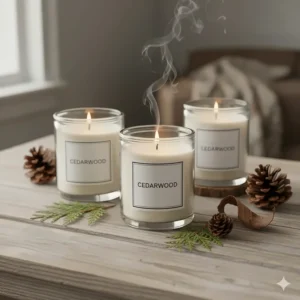
The WoodWick Lavender & Cedar brings something special to the table—literally. Its patented Pluswick Innovation creates an authentic crackling sound that mimics a fireplace, adding a multi-sensory dimension to your relaxation routine.
Key Specifications:
- Available in 9.7oz (Medium) and 21.5oz (Large)
- Crackling wood wick technology
- Hourglass-shaped vessel with wooden lid
This isn’t your standard cedar scent. The addition of lavender, pink pepper, and sage flower creates a more sophisticated aromatic profile. It’s grounding without being heavy, making it perfect for bedrooms or meditation spaces. Customers particularly love the visual appeal—the long, dancing flame creates mesmerizing ambiance.
✅ Pros:
- Unique crackling sound effect
- Elegant hourglass design
- Balanced, not overpowering scent
❌ Cons:
- Requires more careful wick trimming
- Slightly shorter burn time per ounce
Price Range: $20-$35 (depending on size)
3. TRIRITE Balsam Cedar Scented Candle
If you’re hunting for exceptional value without sacrificing quality, the TRIRITE Balsam Cedar deserves serious consideration. This large jar candle delivers 60+ hours of burn time at a remarkably accessible price point.
Key Specifications:
- 100% natural soy wax
- Large glass jar with bamboo lid
- 60+ hour burn time
The fragrance layering is impressive for this price range. You get crisp fir and fresh pine needles up top, velvety balsam and smooth sandalwood in the middle, and warm amber with soft musk as base notes. Reviewers note it fills rooms quickly without being cloying. The reusable glass jar and bamboo lid combo also makes this a sustainable choice—just wash it out when you’re done and repurpose it.
✅ Pros:
- Outstanding price-to-performance ratio
- Eco-friendly packaging
- Strong fragrance throw
❌ Cons:
- Slightly faster burn rate than advertised
- Limited availability during peak seasons
Price Range: $18-$24
4. CANDELITA Redwood & Cedar Scented Candle
For those who appreciate aesthetics as much as aroma, the CANDELITA Redwood & Cedar makes a striking statement. The luxurious black soy candle brings an upscale vibe to any space while delivering rich, woody fragrance.
Key Specifications:
- Premium soy wax blend
- Classic round shape design
- Approximately 90-100 hour burn time
This candle excels at creating ambiance. The warm spice undertones complement the cedar beautifully, making it versatile across seasons. Fall gatherings? Check. Quiet winter nights? Absolutely. Spring renewal sessions? Surprisingly, yes. Customer feedback highlights its clean burn and the fact that it looks just as good unlit on a coffee table as it does flickering away.
✅ Pros:
- Sophisticated aesthetic appeal
- Clean, long-lasting burn
- Versatile seasonal use
❌ Cons:
- Black soot can show on container edge
- Limited scent variation options
Price Range: $22-$28
5. MOASITN Balsam & Cedar Scented Candle
The MOASITN Balsam & Cedar punches way above its weight class. This 7oz candle makes an ideal gift option, combining quality fragrance with thoughtful presentation at a budget-friendly price.
Key Specifications:
- 7oz size with 40-hour burn time
- 8% fragrance concentration (above industry standard)
- Handcrafted with natural soy wax
What sets this apart is the fragrance concentration. At 8% compared to the typical 5% industry standard, you’re getting significantly more robust scent delivery. The aromatic blend includes red berries, herbs, and citrus top notes, cedar and sandalwood middle notes, and vanilla, amber, and musk base notes. The brown glass jar with handwritten fonts gives it an artisanal, boutique feel that makes gifting easy.
✅ Pros:
- Higher fragrance oil concentration
- Beautiful gift packaging
- Affordable price point
❌ Cons:
- Smaller size limits burn time
- Glass color can darken scent perception
Price Range: $12-$16
6. Soy and Sass Balsam + Cedar Soy Candle
Made entirely in the USA with all-natural ingredients, the Soy and Sass Balsam + Cedar appeals to eco-conscious consumers who refuse to compromise on fragrance quality.
Key Specifications:
- 9oz, 100% USA-grown soy wax
- Infused with essential oils
- 50-hour burn time
This candle takes the natural route seriously. Lead-free cotton wicks, essential oil infusions, and premium fragrance oils combine for a cleaner burn experience. The scent blend of citrus, cedarwood, and invigorating pine balsam feels authentically forest-fresh rather than synthetic. Customers appreciate the trademarked design and the company’s commitment to quality control—each candle is hand-poured and inspected.
✅ Pros:
- All-natural, USA-made ingredients
- Essential oil infusion
- Poured in reusable jar
❌ Cons:
- Moderate scent throw in very large rooms
- Seasonal availability may vary
Price Range: $16-$22
7. AOOVOO Balsam Cedar Aromatherapy Candle
Rounding out our list, the AOOVOO Balsam Cedar offers serious value for larger spaces. This 22oz powerhouse delivers excellent fragrance distribution and impressive burn time.
Key Specifications:
- 22oz large pine scented soy wax
- Aromatherapy-focused formulation
- 70-80 hour burn time
This candle is built for performance. The larger size means you can fill expansive living rooms, open-concept kitchens, or even small commercial spaces. The aromatherapy angle isn’t just marketing—the formulation emphasizes the therapeutic properties of cedar essential oil. Reviews highlight its effectiveness for meditation, yoga sessions, and general stress relief. The clean, low-temperature burn ensures minimal soot production.
✅ Pros:
- Excellent for large spaces
- Aromatherapy benefits
- Competitive pricing for size
❌ Cons:
- Packaging less premium than competitors
- May be too strong for small bedrooms
Price Range: $24-$30
Understanding Cedar Scented Candles: What Makes Them Special
Cedar scented candles aren’t just following a trend—they’re tapping into something ancient and instinctive. The aromatic compounds in cedarwood have been valued across cultures for millennia, from Egyptian embalming practices to Native American healing rituals.
Studies have found that cedarwood oil contains antiseptic and antimicrobial benefits that can help protect skin from harmful microorganisms, though you won’t get topical benefits from candle diffusion. What you will experience is the psychological impact of these woody, grounding scents.
The cedar used in quality candles typically comes from several tree species: Atlas cedar (Cedrus atlantica), Himalayan cedar (Cedrus deodara), Virginian cedar (Juniperus virginiana), and Texas cedar (Juniperus mexicana). Each brings slightly different aromatic profiles, which is why you’ll notice variations between products claiming to be “cedar scented.”
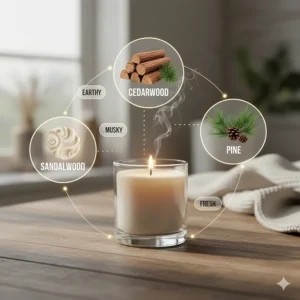
Modern formulations often blend cedar with complementary notes. Balsam fir adds Christmas tree freshness. Sandalwood deepens the woody character. Citrus brightens the overall profile. Amber and vanilla provide warmth. These combinations create complexity that pure cedar alone might lack.
Quality matters tremendously. Synthetic fragrance oils can smell harsh or chemical. Natural essential oil blends or high-quality fragrance oils infused with real cedar extract deliver that authentic forest experience. When you’re evaluating options, look for transparency about ingredient sourcing.
How to Choose the Perfect Cedar Scented Candles
Selecting the right cedar scented candles involves more than grabbing the prettiest jar or the lowest price tag. Here’s what actually matters when you’re making your decision.
Consider Your Space Size
Room dimensions dramatically affect performance. That cozy 7oz candle that fills a bedroom perfectly might disappear in an open-concept living area. As a general rule, you want roughly one ounce of candle per 10 square feet of space. A standard bedroom (120-150 sq ft) does well with 12-16oz candles. Living rooms (200-300 sq ft) benefit from 20-24oz options or multiple smaller candles strategically placed.
Evaluate Burn Time vs. Price
Don’t fall for the per-candle price trap. Calculate cost per burn hour instead. A $30 candle with 150 hours of burn time ($0.20/hour) delivers better value than a $15 candle lasting 40 hours ($0.38/hour). That said, if you’ll only use it occasionally, shorter burn times might suit your needs better.
Wick Type Matters
Cotton wicks provide clean, consistent burns. Wood wicks create crackling sounds and broader melt pools but require more maintenance. Multiple wicks (common in larger candles) ensure even burning across wider diameters. Single wicks work fine for containers under 3 inches wide.
Wax Composition Affects Performance
Soy wax burns slower and cleaner than paraffin, making it ideal for longer sessions and better for indoor air quality. Paraffin holds scent well and costs less but produces more soot. Premium blends combine benefits of both. Beeswax is natural and air-purifying but rarely used for scented candles due to its own strong honey aroma.
Fragrance Concentration
Quality candles typically use 5-10% fragrance oil by weight. Anything below 5% won’t throw scent effectively. Above 10% can cause smoking and uneven burning. The sweet spot is 6-8% for most applications. Some brands advertise their concentration—pay attention to these numbers.
Container Quality and Safety
Glass jars should be thick enough to withstand heat without cracking. Wider openings promote better scent throw. Lids protect fragrance when not in use and prevent dust accumulation. Metal containers can get extremely hot—handle with caution. Ceramic vessels provide excellent heat resistance but can be heavy.
Benefits of Cedar Scented Candles Beyond Fragrance
The appeal of cedar scented candles extends well beyond their pleasant aroma. Let’s explore the legitimate benefits backed by research and user experience.
Stress Relief and Anxiety Reduction
Animal studies have shown that cedrol found in cedarwood lowered anxiety by boosting brain chemicals, with one study demonstrating that people who inhaled cedrol had lower blood pressure and breathing rates. While burning a candle won’t replace professional mental health care, it can contribute to your relaxation toolkit. The ritual of lighting a candle signals to your brain that it’s time to decompress.
Improved Sleep Quality
Many users report better sleep when using cedar scented candles as part of their evening routine. Cedrol, a compound in cedarwood oil, has been studied for its sedative properties and was found to increase serotonin production and promote parasympathetic activity. Try burning your candle for 30-60 minutes before bed while you read or meditate, then extinguish it before sleeping.
Natural Air Freshening
Unlike chemical air fresheners that mask odors, quality cedar candles actually neutralize them while adding pleasant fragrance. The natural antimicrobial properties of cedar contribute to this effect, though the primary benefit comes from the atmospheric transformation created by the scent itself.
Creating Mindfulness Moments
The act of candle care—trimming the wick, lighting it mindfully, watching the flame—becomes a meditative practice. In our hyperconnected world, these small rituals create pockets of presence. You’re not just lighting a candle; you’re creating intention for the next hour of your day.
Seasonal Ambiance
Cedar’s versatility shines across seasons. Winter begs for cozy cedar blends with vanilla and amber. Spring appreciates fresher combinations with citrus notes. Fall welcomes spicier interpretations. Summer works with cedar when balanced with lighter botanicals. One quality cedar candle can adapt to your changing needs throughout the year.
Cedar Scented Candles vs. Other Woody Fragrances
When you’re exploring woody candle options, understanding how cedar stacks up against alternatives helps refine your choice. Each woody scent brings its own character to the table.
Cedar vs. Sandalwood
Sandalwood skews sweeter and creamier than cedar. It’s often described as exotic or luxurious, while cedar feels more grounded and familiar. Cedar tends to be sharper and greener, especially when blended with fir or pine. Sandalwood works beautifully for meditation spaces and bedrooms. Cedar excels in living areas and studies. If you want warmth without sweetness, choose cedar. If you prefer rich, velvety depth, go sandalwood.
Cedar vs. Pine
Pine delivers that crisp, Christmas tree freshness—bright, resinous, and energizing. Cedar is more mellow and earthy. Pine can feel overwhelming in small spaces or with extended burns. Cedar maintains subtlety even in generous amounts. Many premium candles blend both, using pine for top notes and cedar for foundation. If you want invigorating freshness, lean pine. For grounded calm, cedar wins.
Cedar vs. Eucalyptus
Eucalyptus brings menthol-like clarity and a spa-quality feel. It’s medicinal and cooling where cedar is warm and woody. Eucalyptus works wonders in bathrooms and during cold season. Cedar fits better in living spaces and year-round use. Some people find eucalyptus too intense; cedar rarely overwhelms. Choose eucalyptus for therapeutic clarity, cedar for everyday grounding.
Cedar vs. Tobacco and Leather
These masculine fragrances share cedar’s depth but add spiciness (tobacco) or animalistic notes (leather). They’re bolder and more statement-making. Cedar maintains approachability that tobacco and leather sometimes lack. For gender-neutral spaces and broader appeal, cedar’s your best bet. For dens, offices, or personal spaces where you want distinctive character, the bolder options shine.
Maximizing Your Cedar Candle Experience
You’ve invested in quality cedar scented candles—now let’s ensure you get every ounce of value from them. These practices extend burn time, improve scent throw, and enhance safety.
The First Burn Rule
Your inaugural burn sets the stage for the candle’s entire life. The National Candle Association recommends allowing enough time for the wax to melt completely across the surface during the first burn. This prevents tunneling, where wax builds up on container edges while the center burns down. Plan for 3-4 hours on that first lighting. It’s tempting to blow it out after 30 minutes, but resist. Establishing a full melt pool early means better performance forever.
Wick Maintenance
Trim the wick to ¼ inch before each use to prevent high flames and soot. Long wicks create larger flames that consume wax faster, produce more smoke, and can cause flickering or mushrooming at the wick tip. Use proper wick trimmers for best results—scissors work in a pinch but can dull quickly. Trimming also prevents carbon buildup that floats in melted wax and reduces scent quality.
Optimal Burn Duration
Burn candles for 1-4 hours at a time. Shorter burns don’t establish proper melt pools. Longer burns overheat the container and can diminish fragrance complexity. If you need all-day scent, consider two shorter burning sessions rather than one marathon. This practice also extends overall candle life by promoting even wax consumption.
Storage and Preservation
Keep unlit candles in cool, dark places. Heat and direct sunlight fade colors and can alter fragrances. Use lids or dust covers when not burning—airborne particles diminish scent quality over time. Cedar candles stored properly maintain fragrance integrity for 12-18 months. Those left uncovered in sunny windows might lose their appeal within weeks.
Strategic Placement
Place candles on stable, heat-resistant surfaces away from anything flammable, keeping them at least 12 inches away from curtains, bedding, books, and other flammable items. Avoid drafty areas near windows, fans, or air vents—these cause uneven burning and reduced scent throw. Central locations work best for fragrance distribution, but always prioritize safety over aesthetics.
Safety First: Cedar Candle Guidelines
Candles create ambiance, but they’re still open flames requiring respect. An average of 20 home candle fires are reported each day in the United States, but nearly all are preventable with proper practices.
Never Leave Burning Candles Unattended
This bears repeating because it’s the single most important rule. Never leave a burning candle unattended. Leaving the room? Extinguish it. Going to bed? Put it out. Taking a shower? Blow it out first. No exceptions. Most candle fires occur because someone assumed “just five minutes” would be fine.
Keep Away from Children and Pets
Curious toddlers and tail-wagging dogs don’t mix well with open flames and hot wax. Place candles well out of reach, preferably on high shelves or in rooms where kids and pets aren’t unsupervised. Even well-behaved pets can accidentally knock over candles while playing or investigating interesting smells.
Extinguishing Properly
Use a snuffer or gently blow out the flame—don’t use water, which can cause hot wax to splatter. Water in molten wax can crack glass containers or cause dangerous spattering. Candle snuffers cost a few dollars and eliminate smoke while protecting wicks. Wick dippers bend the wick into wax to extinguish without smoke—an elegant option that also prevents wax splatters.
Know When to Stop
The National Candle Association recommends extinguishing your candle when ½ inch of wax remains in the container or 2 inches of wax for pillar candles. Burning candles completely down risks cracking containers from overheating and can ignite residual materials in the wax. That last bit of wax isn’t worth a fire hazard.
Ventilation Matters
Burn candles in well-ventilated spaces, but avoid drafty areas. Good air circulation prevents wax fumes from concentrating while maintaining steady flames. In small, unventilated bathrooms, even natural soy candles can create air quality issues with extended burns. Crack a window or run bathroom fans periodically.
DIY Cedar Candle Care and Repurposing
Your relationship with cedar scented candles doesn’t end when the wax runs out. Smart care extends their life, and empty containers offer creative opportunities.
Removing Stubborn Wax Residue
When your candle’s finished, you’re left with wax coating the container. Here’s the easiest removal method: Place the jar in your freezer for 2-3 hours. The wax contracts and pops right out. For remaining residue, pour boiling water into the container, let it sit for a few minutes, and the softened wax floats to the top. Once cool, remove the wax disk and wipe clean with paper towels.
Repurposing Empty Containers
Those beautiful glass jars deserve second lives. Popular uses include:
- Desk organizers for pens, brushes, or small tools
- Bathroom storage for cotton balls or swabs
- Kitchen containers for spices or small dry goods
- Succulent planters (add drainage holes if possible)
- Vanity organizers for makeup brushes or hair accessories
- Candle holders for tea lights or votives
Wash containers thoroughly with hot soapy water. Remove labels by soaking in warm water with dish soap. Stubborn adhesive responds well to rubbing alcohol or coconut oil.
Extending Candle Life
If your candle develops an uneven surface with excess wax on the sides, carefully use a hairdryer to melt and redistribute it. Hold the dryer 6-8 inches away, sweeping across the surface until wax liquefies. Let it cool and solidify before next use. This technique recovers wax that would otherwise go to waste.
Creating Wax Melts from Leftovers
Collect leftover wax from multiple candles (matching or complementary scents). Melt together in a double boiler, then pour into silicone molds designed for wax melts. You’ve created custom scent blends perfect for wax warmers. This works especially well with cedar bases—add vanilla, cinnamon, or citrus wax scraps for seasonal variations.
The Science Behind Cedar’s Calming Effects
Understanding why cedar scented candles work goes beyond “they smell nice.” The aromatherapeutic properties of cedarwood have legitimate scientific backing.
Research published in 2017 demonstrated that the scent of cedarwood essential oil, which contains cedrol, can promote sleep by increasing parasympathetic activity and increasing serotonin production. This isn’t placebo effect—it’s biochemistry.
Cedrol, the primary active compound, interacts with olfactory receptors that connect directly to the limbic system, your brain’s emotional control center. This pathway bypasses conscious thought, triggering physiological responses before you’ve even processed “I smell cedar.” Heart rate can slow, breathing deepens, cortisol levels may decrease—all from scent molecules reaching your brain.
The grounding quality of cedar relates to its association with forest environments. Evolutionary psychology suggests humans feel inherently safer among trees, triggering relaxation responses. Modern research on “forest bathing” (shinrin-yoku) demonstrates measurable stress reduction from time among trees. Cedar scented candles offer a shortcut to these benefits when actual forests aren’t accessible.
One study focused on children with ADHD found that after inhaling cedarwood oil, it had a positive effect on behavior and focus, with many parents reporting the treatment continued to work at home. While this research used direct inhalation of essential oils rather than candle diffusion, it suggests potential cognitive benefits worth exploring.
Not everyone responds identically to scents. Genetic variations affect how we process aromatic compounds. Cultural associations matter too—someone who grew up near cedar forests might experience stronger nostalgia and relaxation than someone without those memories. Your individual response is valid regardless of what studies say.
Seasonal Cedar Candle Combinations
Cedar’s versatility shines when you consider seasonal pairings. Here’s how to maximize its potential year-round.
Winter: Embrace Cozy Warmth
Pair cedar with vanilla, amber, and cinnamon for maximum hygge vibes. These combinations create that fireside feeling even in apartments without fireplaces. Look for candles blending cedar with notes like:
- Smoky tobacco
- Sweet bourbon
- Rich sandalwood
- Warming clove
These darker, heavier profiles complement shorter days and longer nights. They’re perfect for holiday gatherings, snow days, and New Year’s contemplation.
Spring: Add Fresh Brightness
Balance cedar’s earthiness with citrus and floral notes. Grapefruit, bergamot, and lemon lift the woody base without overwhelming it. Consider cedar combined with:
- Jasmine or lavender
- Fresh mint
- Light green tea
- Clean linen notes
These combinations maintain cedar’s grounding quality while adding renewal energy. They work beautifully for spring cleaning sessions and Easter brunches.
Summer: Go Light and Airy
Cedar might seem too heavy for summer, but strategic blends keep it relevant. Pair with:
- Eucalyptus for spa vibes
- Sea salt for coastal freshness
- Cucumber for cooling effects
- Light herbs like basil or sage
These combinations prevent cedar from feeling oppressive in warm weather. They’re excellent for evening patio gatherings when mosquito-repelling properties are bonus benefits.
Fall: Layer Rich Complexity
Autumn is cedar’s moment to shine. Embrace bold combinations:
- Apple and cinnamon
- Pumpkin spice
- Maple and pecan
- Cranberry and orange
These pairings create that perfect transition from summer’s brightness to winter’s introspection. They’re crowd-pleasers for Thanksgiving, Halloween parties, and football Sundays.
Environmental Impact of Cedar Candles
Conscious consumers increasingly consider environmental factors when purchasing. Here’s what you should know about cedar scented candles’ ecological footprint.
Wax Source Matters
Soy wax comes from soybeans, a renewable resource grown primarily in the United States. It biodegrades naturally and produces minimal soot. However, industrial soy farming raises deforestation and pesticide concerns. Look for candles using sustainably sourced, non-GMO soy wax when possible.
Paraffin wax derives from petroleum, a non-renewable fossil fuel. It produces more soot than soy and releases potentially harmful chemicals when burned. That said, modern refining processes have improved paraffin’s environmental profile somewhat.
Beeswax is natural and renewable but requires significant bee populations. Responsible beekeeping supports pollinators, but unsustainable practices harm bee colonies. Verify ethical sourcing if choosing beeswax candles.
Essential Oil vs. Synthetic Fragrance
Natural essential oils require significant plant material—extracting one pound of lavender essential oil needs roughly 200 pounds of lavender. This raises questions about agricultural land use and water consumption.
Synthetic fragrances avoid these resource demands but involve chemical manufacturing with its own environmental costs. High-quality synthetics now rival natural scents in purity and performance while using fewer resources.
The most eco-friendly choice? Candles using a combination—minimal essential oils for authentic scent character, supplemented with clean synthetics for fragrance strength.
Packaging and Container Reusability
Glass jars are indefinitely recyclable and easily repurposed. Metal tins recycle well but can’t be reused as easily. Cardboard packaging is biodegradable but requires tree harvesting (ideally from managed forests).
Choose candles with minimal packaging, recyclable components, and containers you’ll actually reuse. That beautiful ceramic vessel is only sustainable if it doesn’t end up in a landfill after one use.
Carbon Footprint Considerations
Locally made candles reduce transportation emissions. Companies manufacturing in the USA or your home country generally have smaller carbon footprints than those shipping from overseas. However, some international producers employ sustainable practices that offset transportation impacts.
Research brands committed to carbon neutrality, sustainable sourcing, and ethical labor practices. These companies often provide transparency about their environmental initiatives on their websites.
Common Mistakes When Buying Cedar Candles
Even experienced candle enthusiasts make these errors. Avoid them to ensure satisfaction with your purchase.
Prioritizing Price Over Quality
That $5 cedar candle seems like a steal until it tunnels after two burns, barely throws scent, and produces black soot on your walls. Quality ingredients cost more. Expect to pay $12-30 for decent cedar scented candles depending on size. Anything significantly cheaper likely cuts corners on wax quality, fragrance concentration, or wick construction.
Ignoring Burn Time Calculations
A cheaper candle that burns out in 15 hours costs more per hour than a pricier option lasting 100 hours. Always calculate cost per burn hour, not cost per candle. This reveals true value and helps you compare accurately across products and brands.
Choosing Fragrance Based on Cold Sniff Alone
That amazing cedar scent in the store might disappear when lit. Request tester candles or read reviews discussing scent throw—the fragrance strength when burning. Some candles smell incredible in the jar but offer little once lit. Others bloom beautifully with heat. You need both good cold throw (unlit) and hot throw (burning) for satisfaction.
Overlooking Container Size vs. Space
That adorable 4oz tin won’t scent your 300 square foot living room adequately. Match candle size to space dimensions or accept you’ll need multiple candles. One large candle often performs better than several small ones while creating less waste and simplifying maintenance.
Neglecting Wick Count for Width
Candles wider than 3 inches need multiple wicks for even burning. Single-wick candles in wide containers inevitably tunnel, wasting wax and shortening life dramatically. Always check wick configuration relative to container diameter before purchasing.

❓ FAQ
❓ How long should I burn cedar scented candles each time?
❓ Are cedar scented candles safe around pets?
❓ Can cedar candles help me sleep better?
❓ What's the difference between cedar and balsam cedar candles?
❓ How do I know if a cedar candle is high quality?
Make Your Home Smell Like a Forest Sanctuary
You’ve now got the complete blueprint for selecting, using, and maximizing cedar scented candles. From understanding the science behind cedar’s calming properties to identifying quality products and avoiding common pitfalls, you’re equipped to transform your living space into a grounded, peaceful retreat.
The seven candles reviewed here represent the best options available in 2025 across various price points and preferences. Whether you choose the reliable longevity of Yankee Candle, the unique crackling experience of WoodWick, or the exceptional value of TRIRITE, you’re investing in more than fragrance—you’re creating atmosphere, supporting relaxation, and claiming those precious moments of calm in our chaotic world.
Remember, the perfect candle is the one you’ll actually use and enjoy. Trust your nose, consider your space, and don’t overthink it. Light that candle, take a deep breath, and let the forest come to you.
Recommended for You
- 7 Best Sandalwood Scented Candles of 2025 That Transform Spaces
- Best Wood Scented Candles: Top 7 Picks for Cozy Homes 2025
- 7 Best Tobacco Scented Candles That Transform Your Home 2025
Disclaimer: This article contains affiliate links. If you purchase products through these links, we may earn a small commission at no additional cost to you.
✨ Found this helpful? Share it with your friends! 💬🤗
